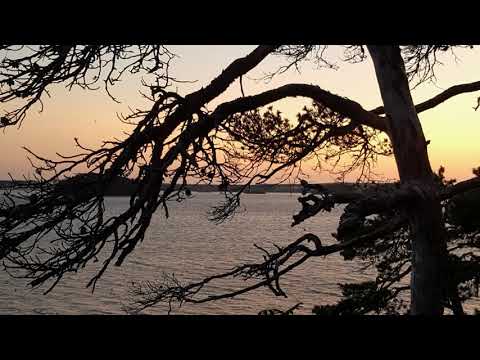
Söderhamn sits in southern Hälsingland, where a river reaches the Gulf of Bothnia and the town opens toward a broad island coast. Statistics Sweden counted 12,038 residents in the mapped Söderhamn tätort on 31 December 2023. That number describes the statistical built-up locality, not Söderhamn Municipality and its many rural communities. The town is small enough to explore on foot, yet its waterfront, historic centre and archipelago give it more than one pace.
From arms works to a trading port
The municipality's urban history distinguishes earlier activity at the river mouth from the chartered town. A market and settlement existed before Söderhamn received town privileges in 1620, when Gustav II Adolf established a royal gun factory and brought Hälsingland gunsmiths together to support arms production. The factory, water power and harbour gave the town an early public role. Linen manufacture, shipbuilding and trade followed; in the 19th century, sawmills and timber exports became powerful engines of growth. The centre-plan record also describes fires and rebuilding, including the destruction of much of the town in 1721 and another major fire in 1876. The mix of street patterns and surviving timber buildings is evidence of these different phases, not a single preserved medieval scene.
Begin around Rådhustorget and Ulrika Eleonora church, then wander into Öster, the old fishing quarter where low wooden houses sit close together. Kvarnen by Söderhamnsån recalls the working waterfront; municipal material describes its later cultural use, though current exhibitions and access should be checked. The self-guided town walk links these places with the lookout at Oscarsborg, a tower opened in 1895 on Östra berget. The path up the stairs makes a short outing with a wide view over rooftops, harbour and coast. The tower and summer café have seasonal, weather-dependent opening, so do not assume they are open whenever the hill is accessible.
Town and archipelago in one trip
Söderhamn's other defining landscape is its archipelago. Boat outings in summer reach islands such as Enskärsorn; private boaters have a number of guest harbours and piers, while local boat-taxi and excursion services depend on the season and operator. Skärså, a historic fishing village north of town, is another coastal excursion rather than a city-centre stop. The F15 Flygmuseum offers a different chapter at Flygstaden: its volunteer association interprets aircraft and training connected with the former air wing. The museum and flight simulator have their own opening and booking rules.
Today's service economy and public sector support a regional centre whose earlier prosperity rested on production, shipping and trade. The central pedestrian street, parks, restaurants and visitor information make a practical base between town and shore. Söderhamns Resecentrum connects bus and rail; X-trafik and long-distance train operators publish current departure details. A sensible route is a central walking loop followed by a separately planned island or museum visit, not an attempt to fit the entire municipality into one afternoon.
Confirm boat timetables, museum access, tower hours, weather closures and public transport close to travel. Ferry and tour departures change by season, while the historical route map is an orientation aid rather than a guarantee of current operation.