Steel, water and a planned town
Sandviken is a young industrial town whose character can be read in the spaces between the works, the canal, workers’ housing and later civic buildings. It stands beside Lake Storsjön in Gästrikland, with wooded land close to the urban edge. Statistics Sweden counted 24,827 residents in Sandviken’s statistical built-up area, or tätort, on 31 December 2023 (code 2181TC108, in Sandvikens municipality). This is the continuous statistical locality, not the much wider municipality.
A documented beginning in the nineteenth century
The town’s decisive industrial chapter began in 1862, when Göran Fredrik Göransson established the ironworks that became Sandvik AB. The municipal history records that roughly 300 women and men began digging the canal that year; it was completed in spring 1863 and ran for a little over three kilometres. It supplied the works with water and power. Göransson’s successful work with the Bessemer process had taken place at Edsken in 1858, an important regional precursor rather than the same event as Sandviken’s later construction. As the works grew, transport links and housing needs shaped the settlement; Sandviken received town rights in 1943.
The channel once served everyday life too: municipal records describe boats, washing platforms, bathing spots and passenger craft taking residents to dance venues. Its function is now different. Natural flow to Storsjön was closed in the 1960s, and pumps keep water moving as part of the town’s stormwater system. The municipality explicitly says the canal is not suitable for bathing or water activities. It remains a green walking corridor and a visible piece of industrial infrastructure; use designated lake beaches for swimming.
Workers’ homes and modern architecture
Gamla Bruket preserves Sandviken’s oldest remaining group of workers’ housing. The municipal cultural-environment survey describes gradual growth from the nineteenth century into the mid-twentieth, rather than a single construction date. At Bruksmuseet Smedsgården, furnished rooms evoke workers’ and foremen’s homes around 1900 and again in the 1940s and 1950s, with a small school display adding an everyday perspective. The museum opens seasonally, so check current arrangements before visiting.
Another chapter is visible in the centre’s civic buildings and in Nya Bruket and Vallhov, where architect Ralph Erskine left a strong mark. The municipality records that Erskine received the 1970 planning commission for Nya Bruket and worked with the existing street pattern while increasing density. These districts make Sandviken more than a preserved company town: its built environment shows successive responses to work, housing and public life.
Services, culture and time outdoors
Materials manufacturing and engineering remain important, alongside public services, retail, food and smaller businesses. The municipality names Sandvik and Alleima among the area’s major employers. In the centre, Kulturcentrum brings together a library, art gallery, cultural school, performance spaces and visitor information. Its Soundwalk Sandviken is an approximately 40-minute audio walk beginning at the public library, pairing memories of the works with sound art and a mapped route.
Jernvallen combines playing fields, ice facilities, bowling and the Göransson and Ferrum arenas. It opened in 1938, and two 1958 World Cup football matches were played there. Events and access vary, so consult the current calendar rather than assume a venue is open. For a lake day, Sörtuttsbadet is a sandy public beach on Storsjön a few kilometres south of the centre, with services during the bathing season. Högbo Bruk lies outside the statistical town but nearby, bringing an older works setting and year-round outdoor activities into an easy excursion.
Local and regional buses meet trains at Sandviken Resecentrum. A useful first outing is to combine the canal promenade and Gamla Bruket with the library Soundwalk, then take separate transport to Jernvallen or the lake shore. Confirm transport, museum opening, seasonal beach facilities and event access shortly before travelling.
 Three Sandviken films: Gamla Bruket, the canal and Jernvallen
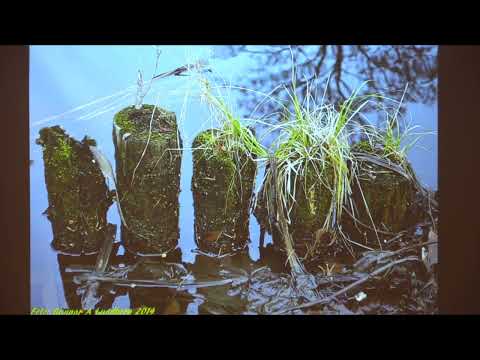 “Kanalen,” published by Sandvikens Vänner, gives the watercourse a separate place in this three-video selection. The verified upload runs 58:57, substantially longer than the other two items, and its title points directly to the channel that crosses central Sandviken. That makes it a distinct thematic counterpoint to a housing-focused film and a sports-history clip. Municipal records explain why the canal was dug, how its use changed, and why it is now part of stormwater management rather than a bathing place. The video title alone does not confirm present water conditions or a walking route; use the municipal information for those practical questions.
 Sandviken Film & Foto’s “Tillbakablick till Jernvallen i Sandviken år 1964” brings a dated sports-ground perspective to the set. The public title identifies a look back to Jernvallen in 1964, while the verified runtime is 1:02. Jernvallen is a different part of the town’s story: the municipal record dates its opening to 1938 and notes that it later hosted two 1958 World Cup matches. This brief archival item complements the longer canal subject and the housing-focused Gamla Bruket film without repeating their themes. Today’s facilities and access depend on events, so check the arena calendar before travelling.