a Roman municipium, San Pancrazio and the Sasso di Simone landscape
Administratively Tuscan, Sestino faces the Adriatic-draining Foglia valley and Montefeltro. Its small centre contains evidence of a Roman town and a parish church altered over many centuries, with pasture and limestone uplands beyond. It suits an itinerary combining archaeology with Apennine walking, provided museum appointments are arranged before travelling.
| Municipal population at 1 January 2026 (estimate) | 1,150 |
|---|---|
| Municipal area at 1 January 2025 | ≈ 80.23 km² |
ISTAT population estimate at 1 January 2026, aligned with the provisional 2025 demographic balance. Area at 1 January 2025, from the classification updated in February 2026. Both figures cover the whole municipality, including outlying settlements, rather than only the historic centre.
Before and during Roman urban life
Finds from the surrounding territory indicate Etruscan, Umbrian and Picene connections before full Roman urban development. In the first century BC, Sestinum took shape as a town with monumental buildings. Its ancient past is supported by material evidence rather than simply attached to a medieval castle by tradition.
Inscriptions, architectural fragments and sculptures reveal institutions, families and public spaces of the municipium. Visitors should not expect a complete exposed forum in the present centre. Much of this history becomes understandable through the museum finds and their relationship to the inhabited area.
The Antiquarium and arranging access
The archaeological collection developed during the nineteenth century from local discoveries. It includes inscribed stones, statues and decorative fragments. The inscriptions illuminate people and offices, while sculpture and a reconstructed Augustan funerary monument help convey the scale of the ancient town.
Opening information is inconsistent. Visit Tuscany carries a temporary-closure notice, whereas the management information published by Sestino Experience offers visits from 1 November by appointment with at least two days’ notice. Obtain direct confirmation before making the museum the centrepiece of a trip. A film of the collection does not establish walk-in access on a particular day.
San Pancrazio parish church
San Pancrazio stands within the area of Roman public buildings and preserves reused ancient material. Its apse and crypt introduce a layered history rather than a church built in one single campaign. Paintings and later alterations record continued religious use.
The link between archaeology and the parish church provides a useful thread for a village walk. Looking at masonry, spaces and changes of level before returning to the museum objects makes the succession from Roman town to religious centre and modern settlement easier to understand.
The visitor centre and the City of the Sun
The Sasso di Simone reserve’s visitor centre lies near the Antiquarium. It introduces the geology, habitats and history of the mountain and provides a starting point for requesting maps and walking advice. Visiting before a hill excursion gives context that is less obvious from a distant view of the rock.
Cosimo I de’ Medici’s sixteenth-century project for a fortified town on the Sasso connects the landscape with the grand duchy’s frontier politics. The name Città del Sole does not describe a large town still occupied on the summit. Its story is reconstructed through remains and historical interpretation.
Walking outside the village
Sasso di Simone is a limestone mass rising conspicuously above the surrounding country. Reaching it involves a hill walk separate from the urban circuit. Routes, ascent, mud and weather need consideration when selecting the day and equipment.
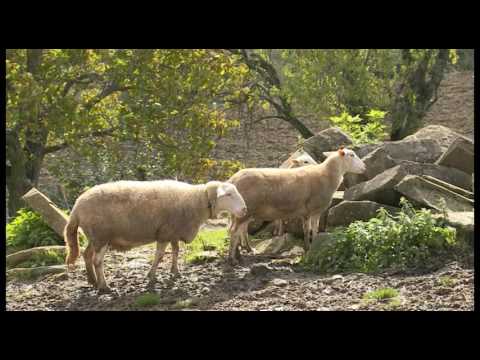
Woods and pasture reveal a relationship between grazing and the environment. Ranco Spinoso provides another natural-history reference in the wider area, while Monterone is a separate historic settlement. Places appearing in films labelled Sestino are not necessarily clustered in the main village’s few central streets.
Chianina beef, osterias and rural stays
The Sagra della Bistecca Chianina connects the town with cattle farming and food. Check the programme for the particular edition. At other times the local directory lists La Vigna di Novè, Dai Toscani, Osteria di Travicello and Osteria Monterone; their locations matter when matching a meal to the day’s route.
Agriturismo Sasso Simone e Simoncello offers rooms and cooking based on local meat, pasta and woodland ingredients. It is a rural overnight option rather than a hotel beside the town hall. Rifugio Casa del Re advertises meals and beds by booking, operating mainly seasonally. Confirm availability before relying on it as a winter stop.
Looking towards both sides of the mountains
From the Upper Tiber side, Autolinee Toscane’s SI393 connects Sestino, Badia Tedalda and Sansepolcro. Intermediate stops and route variations require checking the operating day and actual destination. Arezzo offers access to the national rail network through an onward connection from Sansepolcro.
Urbino and the Foglia valley are also meaningful reference points on the Marche side. A longer exploratory stay should compare journeys in both directions rather than considering only the Tuscan provincial capital. Road routes, services in individual hamlets and evening returns shape everyday life more directly than the regional boundary on a map.
Sources
- Regione Toscana: testimonianze antiche, pieve e paesaggio
- Regione Toscana: collezioni dell’Antiquarium e avviso di chiusura
- Gestione locale: visite su appuntamento e Centro Visita
- Sestino Experience: ristoranti e agriturismi
- Agriturismo Sasso Simone e Simoncello: cucina e camere
- Rifugio Casa del Re: ospitalità e apertura stagionale
- Autolinee Toscane: collegamento Sestino–Badia Tedalda–Sansepolcro
- ISTAT: resident population estimate, 2026
- ISTAT: classifications and municipal area