A village between lagoon and upland
Villeveyrac lies in the Hérault department of Occitanie, inland from the Thau lagoon and within reach of Mèze, Sète and Pézenas. It is not a waterfront resort: the settlement belongs to a Mediterranean landscape of cultivated ground, dry-stone traces and garrigue. The municipality describes the commune as part of a road network linked with the A9, A75 and A750 and departmental road D2. The abbey of Valmagne stands in the commune outside the central village, so a visit to the monument and a walk through town are separate stops rather than one compact historic-centre circuit.
INSEE's 2023 reference population is 3,972 residents for the whole commune; this municipal figure became effective on 1 January 2026. INSEE separately counts 73 people apart, giving a total of 4,045, so the two measures should not be confused. The surrounding countryside connects Villeveyrac with Mèze, Loupian, Poussan, Montbazin, Montagnac and Saint-Pargoire. The municipal site places the Thau basin and Sète within regional reach, but actual journey times depend on route, traffic and starting point.
What the records say about the settlement
The town's French-language heritage page traces occupation around the Domaine de Veyrac, south of today's village, citing burials at Le Grand Cimetière and evidence from several archaeological periods. It suggests that the settlement later shifted toward its present location; that sequence is a municipal account, not a fully dated migration. A written mention is firmer: the page identifies Villa Vairago in the 990 testament of Guillaume I of Béziers, which assigned the land and church to his daughter Garsinde. It also recalls the former name Villemagne and the abbey's seigneurial influence.
Valmagne's foundation chronology deserves care. The municipality gives 1138 for its beginnings and 1145 for attachment to the Cistercians; the abbey's own history instead gives 1139 and 1159. Rather than flatten these into one date, it is more accurate to report the abbey's own chronology and acknowledge that the two local sources differ. The abbey says its Gothic church building campaign began in 1257. Later religious conflict and the Revolution altered its use; after the property became national property, a Villeveyrac winegrower converted the church into a cellar. The private estate has welcomed visitors since 1975, and its vineyard has been farmed organically since 1999.
Stone, wine and a working landscape
Valmagne is the area's most substantial heritage visit. Its monumental church is described by the abbey as 83 metres long and 24.5 metres high. Large wooden wine casks remain in the side aisles, a striking record of the building's later agricultural life. The abbey is also a wine domain, so architecture and cultivation are encountered together; access is managed, and the visitor page lists seasonal arrangements that can change. Confirm admission, opening times and any tasting or event conditions before travelling.
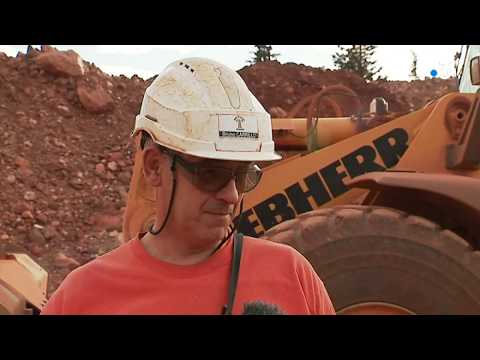
Villeveyrac's modern history also includes bauxite extraction. The municipality describes mining as a significant source of work in the past and says former galleries were reused as water reserves supporting agriculture. This is evidence of an industrial chapter and landscape reuse, not proof that a mine is currently operating or open to visitors. Agriculture remains part of the local identity alongside commerce, crafts, construction and services. INSEE counted 112 employer establishments at the end of 2024; its sector percentages describe those establishments, not every business or worker in the commune.
Garrigue, routes and practical stops
The scrubland and open habitats around town form part of protected Natura 2000 landscapes, including the Causse d'Aumelas and the plain between Villeveyrac and Montagnac. They reward unhurried observation, but conservation areas are living habitats rather than guaranteed visitor facilities. Keep to marked paths, respect seasonal restrictions and check local notices for access conditions. The abbey's visitor information describes road approaches from Mèze and Montagnac and identifies cycling loops 25 and 26 in the Thau area; route markings, works and seasonal access can change, so confirm the current itinerary before setting out.
In the village, municipal services and community programming provide the practical reference point for visitors. Villeveyrac is useful as a base for combining inland heritage with the lagoon towns, but do not assume a particular market day, shop schedule or transport connection from an old listing. Check the municipality's current notices and contact businesses directly. For abbey hours, admission and access, consult Valmagne's current visitor page; confirm all timetables shortly before travel.