A small town between water and upland
Treignac sits in Corrèze where the Vézère cuts through a landscape of wooded slopes and open uplands. INSEE counted 1,256 municipal residents across the commune in 2023. The town’s own visitor information places it between the Vézère gorges, the Monédières and the Millevaches plateau; that setting is not a backdrop but part of the visit, from river crossings to walks and water activities nearby.
The old centre is made for a slow circuit. Granite houses, narrow lanes and views over roofs lead to the market hall, chapels, Porte Chabirande and the old bridge. The community of communes describes houses associated with the scallop shell and a marked route for pilgrims travelling toward Rocamadour. Rather than invent a single founding story, the surviving buildings show a town shaped over time by trade, faith and movement through the valley.
A walk through the historic centre
Start around the grain hall and old streets, where the scale of the market town remains legible. The 13th-century bridge over the Vézère is one of the clearest links between built heritage and landscape. Notre-Dame-de-la-Paix chapel, the seventeenth-century chapel of the Penitents, fountains and the Porte Chabirande add smaller stops; together they make an architectural walk rather than a checklist of isolated monuments.
The town has retained practical everyday life alongside heritage. Its current municipal directory lists food shops, cafés and restaurants, a hotel, pharmacy, craft and art businesses, and a local producers’ shop. These matter to visitors planning a meal or a longer stay in a rural area, where opening days can vary. Check individual businesses before travelling, especially outside the main season.
The lake, the river and outdoor days
A short trip from the centre reaches Lac des Bariousses, formed by the Treignac dam. The municipality lists swimming, fishing, walks and water activities such as canoeing, kayaking and pedal boats; services are seasonal, so confirm what is operating on the day. The Vézère and surrounding paths offer quieter alternatives to the beach. The Saut de la Virole waterfall is another local walk, but the municipal listing describes a steep, uneven route and advises against taking very young children.
Treignac’s present-day economy is best understood through its mix of local commerce, services, food producers, accommodation and outdoor tourism, rather than through a single industry. Small businesses support residents while the river, lake and heritage draw day visitors and holidaymakers. The balance is visible in a town that functions as a service centre as well as a destination.
Getting there and choosing a route
Regional coach route 272 has linked Treignac with Uzerche, Seilhac and Tulle, with onward connections toward Limoges shown in regional network information. Schedules are limited and can change with school and holiday periods; check the current regional timetable and plan the return before setting out. By car, Treignac can be approached from Tulle or Uzerche on the Corrèze departmental-road network. Use a current route planner for the exact roads and conditions, especially in winter.
A satisfying first visit combines the hall, old bridge and lanes with a meal in town; add Bariousses for swimming or paddling when facilities are open. If you have more time, use Treignac as a base for the Monédières and Millevaches landscapes. The visitor pages and business listings change, so verify opening hours and seasonal water services before leaving.
 Treignac in three films: old town, local memory and Bariousses lake
 Corrèze Télévision looks back at Treignac two centuries ago. The historical framing gives viewers a sense of change over time and pairs well with a visit that compares archival memory with the lanes and buildings still standing. The time comparison is an invitation to look for continuity as well as change, without treating the film’s historical scenes as a substitute for archival research.
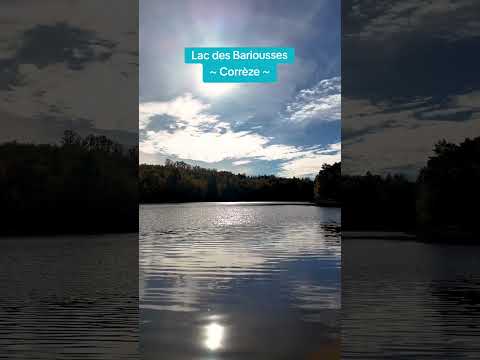 Franck Cordier’s film centres on Lac des Bariousses rather than the old centre. It adds the outdoor side of a Treignac stay—water, shoreline and surrounding landscape—to the two town-history perspectives. The lakeside imagery broadens the idea of a visit beyond the granite streets, especially for travellers looking to combine heritage with time outdoors.