A town shaped by its river bend
Uzerche rises on a rocky spur that the Vézère almost encircles. The river is more than a view: it explains the town’s dramatic profile, the steep lanes that climb toward the old centre and the contrast between the historic ridge and the lower riverside district. INSEE counted 2,814 people in the municipal population of the entire commune in 2023; that figure became the legal population in force on 1 January 2026. The town serves a wider rural area, with cultural venues, shops, public services and outdoor activities that make it more than a scenic stop.
Stonework, towers and a local saying
The old town rewards a slow walk. Porte Bécharie, the best-known surviving entrance in the former fortified enclosure, leads into narrow streets of stone houses, timber-framed façades, towers and former residences that testify to Uzerche’s medieval and early-modern importance. The Romanesque church of Saint-Pierre anchors the skyline. A local saying claims that anyone with a house in Uzerche has a castle in Limousin. It is a compliment to the town’s many substantial historic homes, not a literal account of how they were built. The visitor office provides a heritage circuit, a route following the Vézère meander and a walk named for Simone de Beauvoir; the latter offers a green alternative to the steep central lanes.
Work and culture in the valley
Uzerche remains a service centre for its countryside. INSEE’s 2023 business register counted 243 economically active market units outside agriculture; trade, transport, accommodation and food services formed the largest category, while public services, education and health were also significant. Down by the river, the former Papeterie paper-making site has been reshaped as a cultural quarter. The Sophie-Dessus auditorium, exhibition spaces and street-art areas bring contemporary activity into an industrial setting. The municipal cultural offer also includes a cinema and a media library. This mix gives visitors a reason to stay after the heritage walk, although each venue follows its own programme and calendar.
The Vézère adds a more active itinerary. Vézère Passion operates from a former mill and lists canoeing and kayaking among its outdoor activities, alongside other sports; water levels, weather and seasonal opening affect what is available. Riverside paths and marked hikes connect the town’s architecture with views from the surrounding slopes. On the practical side, the station lies about 2 km from the historic centre. TER line L22 serves Limoges and Brive-la-Gaillarde, while the visitor office estimates roughly 30 minutes by road from Brive and 40 from Limoges. Check current trains, activity bookings and route conditions before setting out; the climb between river and old town is part of the experience.
 Uzerche in three films: old town, Vézère valley and canoe descent
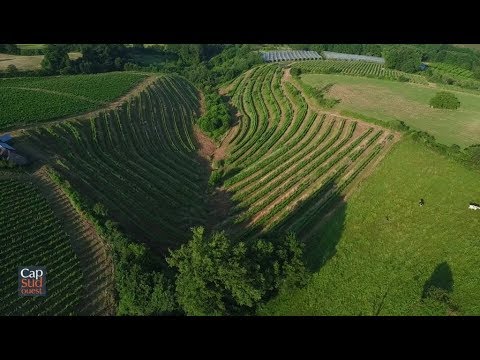 This Cap Sud Ouest report follows the Vézère through Corrèze and places the river’s outdoor appeal in a broader landscape context. The episode is useful alongside an Uzerche visit because the town’s identity depends on the same river valley that supports paddling and other nature activities. It is a regional travel film rather than a live operator bulletin; water conditions and available activities can change, so visitors should confirm details directly with the local base.
 This older personal film records a canoe descent associated with the Minoterie leisure base at Uzerche. Its point of view is immediate and practical: the camera follows the river rather than explaining the town’s architecture, making it a useful complement to the two television reports. The footage dates from 2012 and may not represent today’s equipment, route, safety rules or service schedule. Treat it as an archival glimpse and check current conditions with the operator.