the fortress, the Crastatone and working life on Monte Amiata
On Monte Amiata’s south-eastern flank, Piancastagnaio overlooks the Paglia valley from the edge of a plateau. Its fortress and gates introduce sloping historic lanes, while chestnut trees, local districts and mining memories reveal community life. Hotels, restaurants and a theatre make it an inhabited base as well as a panoramic stop.
| Municipal population at 1 January 2026 (estimate) | 3,839 |
|---|---|
| Municipal area at 1 January 2025 | ≈ 69.63 km² |
ISTAT population estimate at 1 January 2026, aligned with the provisional 2025 demographic balance. Area at 1 January 2025, from the classification updated in February 2026. Both figures cover the whole municipality, including outlying settlements, rather than only the historic centre.
Medieval development and competing powers
Local interpretation suggests an agricultural settlement established probably in the tenth century by the abbots of San Salvatore. This is not a securely dated foundation. During the thirteenth and fourteenth centuries, the place became involved in disputes linking Orvieto, Siena and lords around Pitigliano.
Incorporation into the Sienese republic consolidated in the early fifteenth century, with work on the fortress and defences decided in 1465. The town preserves successive expansions: Castello, Borgo and Voltaia preceded the fourth area later called Coro. Today’s districts relate to that history.
The fortress and civic streets
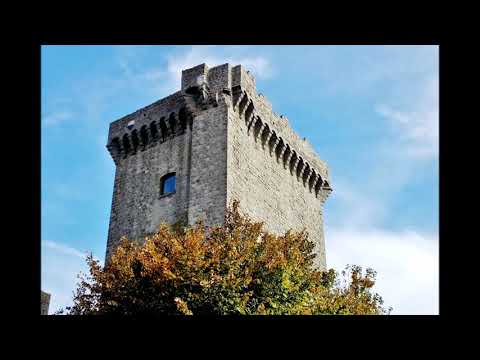
The Aldobrandeschi fortress is the most conspicuous landmark beside the entrance. Parts of its upper defensive work were rebuilt in the twentieth century. Recognising restoration helps explain the monument without assigning every battlement to one medieval building campaign.
Beyond the gates, streets descend the hillside. Piazza Matteotti’s justice column and civic buildings recall Sienese administration. Palazzo Bourbon del Monte adds the later history of the fief. Remains of a fountain called the Witches’ Plate inspired popular stories, which should be understood as folklore.
Churches and chestnut country
Santa Maria Assunta, San Francesco and the Madonna di San Pietro sanctuary offer separate stops. The Franciscan complex retains paintings and monastic associations; the sanctuary towards Santa Fiora is linked with the Nasini painters. Access depends on the actual arrangements for worship and visits.
The park beside the fortress and surrounding chestnut trees help explain the place name. Walks can continue into Amiata woodland, but an urban circuit and a hill excursion require different allowances. Wet autumn ground and short daylight affect the route and equipment to choose.
The Crastatone and district traditions
The Crastatone celebrates chestnuts and local cooking. Its 2026 edition ran from 30 October to 1 November, with tastings, visits and walks on the programme. It connects an agricultural resource with district participation rather than functioning only as a food market.
The Palio involves Borgo, Castello, Coro and Voltaia in bareback horse racing and community activity. Consult the chosen edition’s programme to attend. Older videos document the tradition without establishing an unchanged course or timetable. Outside festival days, flags, district premises and other signs remain part of the streetscape.
Mining memory and present-day interests
The Radici minerarie project presented in 2024 placed photographs and portraits associated with the Siele mine in the streets. Municipal and community work continues this remembrance: the 2026 Santa Barbara programme announces a religious celebration and procession to the miners’ monument on 6 December. A past exhibition should not be assumed to be a permanent museum open every day.
The local economy extends beyond former extraction. A municipal conference on 17 November 2026 focused on the circular bioeconomy, including uses for chestnut-grove residues. Farming, processing and research meet around practical questions, demonstrating an ongoing relationship with woodland as well as inherited traditions.
Theatre, food and somewhere to stay
The municipal theatre’s 2026–27 season includes comedy, contemporary drama and family performances. Its programme can add an evening to a stay built around daytime walks and heritage. This is a part of cultural life separate from outdoor festivals.
The Pro Loco lists Ristorante Anna, Saxa on Piazza Matteotti and Ragno d’Oro, which combines a hotel with food service. Convento San Bartolomeo provides another hotel and restaurant in a historic complex. Confirm availability, service and access needs directly. Staying beside the convent or along Viale Gramsci gives a different route from accommodation among the inner lanes.
Journeys and ordinary services
Autolinee Toscane’s 53A serves Piancastagnaio within the Amiata network. For arrivals through Siena, Montepulciano or a railway gateway, check the whole itinerary and any connections. Rome and Lazio are meaningful southern reference points; Abbadia and Santa Fiora provide closer outings.
A normal working week is useful for testing a possible longer stay. The library, markets and municipal services form a daily geography different from the fortress itinerary. The Pro Loco lists Wednesday and Saturday markets, offering opportunities to know the town; confirm location and calendar before depending on them for shopping.
Sources
- Pro Loco: storia e struttura del centro
- Regione Toscana: monumenti e territorio
- Pro Loco: contrade e corsa del Palio
- Pro Loco: programma del Crastatone 2026
- Pro Loco: mostra fotografica del 2024
- Comune: memoria mineraria e appuntamenti di dicembre 2026
- Comune: bioeconomia e risorse dei castagneti
- Comune: stagione del teatro 2026–27
- Pro Loco: ristoranti, bar e pasticcerie
- Pro Loco: alberghi e ospitalità
- Convento San Bartolomeo: albergo e ristorante
- Pro Loco: servizi, mercati e collegamenti
- Autolinee Toscane: linea 53A attraverso l’Amiata
- ISTAT: resident population estimate, 2026
- ISTAT: classifications and municipal area