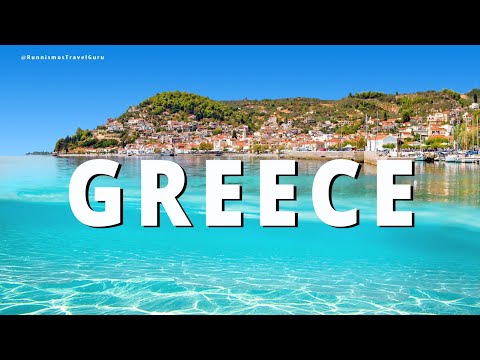
Limni is a seaside settlement on the northern Evian Gulf. Its name can be confused with many Greek lakes and villages, so a visitor should look specifically for Limni of Evia. The town rises from a small harbour into green hills. The Greek tourism organisation describes a nineteenth- and early twentieth-century waterfront shaped by trade and seafaring, with neoclassical houses and public buildings. It is a place to walk rather than a single monument to tick off.
Commerce, houses and a maritime memory
Symmetrical façades, balconies and tiled roofs along the coastal road reflect a period of commercial and shipping prosperity. Two public buildings are attributed by the tourism organisation to architect Ernst Ziller. Their presence is useful evidence for the town’s later civic growth, but does not give a founding date for the settlement. A walk through the lanes above the harbour reveals how houses and daily services occupy the slope. Religious buildings and the coast add further stops without turning the whole place into an open-air museum.
Limni’s maritime past remains part of its public life. The Elymnia cultural festival in early August includes events and a seafront spectacle that recalls the 1821 War of Independence. The exact programme changes; check the current year before planning a trip. North Evia also offers forest paths, small coves, beaches and the Galataki monastery in the wider area. The waterfront has cafés and taverns, but visitors should verify seasonal hours.
Roads and a possible longer stay
The national tourism organisation describes road access from Chalkida and Athens, and a northern approach using the Glyfa–Agiokampos ferry from Thessaloniki’s direction. That ferry and connecting roads should be checked close to travel, especially outside summer. The town provides a quiet coastal base with access to Edipsos and other northern Evian places. A resident should investigate year-round transport, services and housing before making decisions from summer impressions. No source consulted here supports a current average rent. Limni’s character lies in its harbour, historic trading houses and landscape of sea and forest.