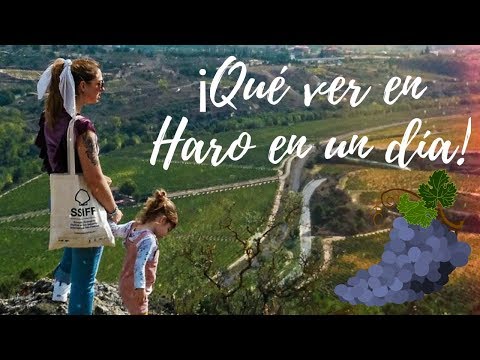
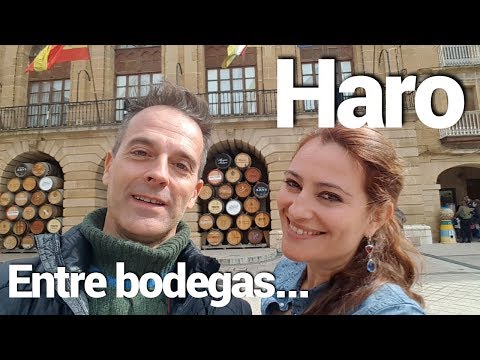
Haro stands where the Tirón meets the Ebro in La Rioja. Its name is inseparable from wine, but the town has an everyday centre of squares, churches, shops and bars beyond the cellars. A good visit connects the Barrio de la Estación with the older streets rather than moving from one tasting room straight to the next.
From the old town to the railway cellars
The local tourism office describes a self-guided walk beginning at the Palacio de Bendaña, which houses the tourist office opposite Plaza de la Paz. Streets and older buildings lead through the historic centre. The town’s wine industry developed in several areas; the Station Quarter has the best-known concentration of long-established wineries beside the railway. Rioja’s regional tourism service explains the quarter’s role in the wider history of the wine trade. Some cellars offer visits, but many require advance booking. Current opening terms matter more than a general promise that every bodega is open.
Wine tourism is only one part of a day in Haro. The local gastronomic route passes through Plaza de la Paz and the Herradura area, where bars and restaurants serve regional food. A walk between the two areas shows the difference between a working wine town and a purpose-built visitor district. Nearby Rioja villages can make a longer itinerary, but the historic centre and Station Quarter both deserve time on their own.
Where to eat and sleep
Haro’s tourism office maintains an accommodation list for the town and surrounding area; some properties offer wine-related activities. Choose a central address if arriving without a car, and verify transport to any rural property. Logroño, Vitoria-Gasteiz and Bilbao are useful larger-city references for road travel, while current rail and bus timetables should be checked directly. If a tasting is planned, organise safe onward transport. Reservations are especially useful during busy wine events and weekends.