Ebro-side walls, everyday history and the culture of wine
Briones rises above the Rioja bank of the Ebro among vineyards facing the Sierra de Cantabria. Former defensive edges overlook a landscape connecting Rioja Alta with the opposite bank. Within the town, Plaza de España, the Assumption church and stone houses lead from medieval history to everyday life, before a separate visit to Vivanco’s wine collections.
| Municipal population at 1 January 2026 | 753 |
|---|---|
| Area of the municipality | ≈ 37.70 km² |
INE Annual Population Census, reference 1 January 2026, released on 24 November 2026. The IGN area covers the whole municipality, not only the built-up centre.
A frontier town and its charter
The surrounding territory preserves evidence of occupation before Roman times and remains from several periods. The name Briones has been associated with the Berones, but that interpretation alone does not establish a foundation date for the present centre. Its documented medieval history is more substantial.
The position beside the Ebro made the town important on the frontier between Castile and Navarre. Alfonso X granted a charter in 1256, encouraging families to settle through privileges and exemptions. Defences and population policy developed together in this strategic setting.
The Peace of Briones in 1379 adds a history of negotiation between the kingdoms. Later changes of lordship and wider conflicts left further layers, alongside alterations to houses and public buildings.
Walls, viewpoints and the main square
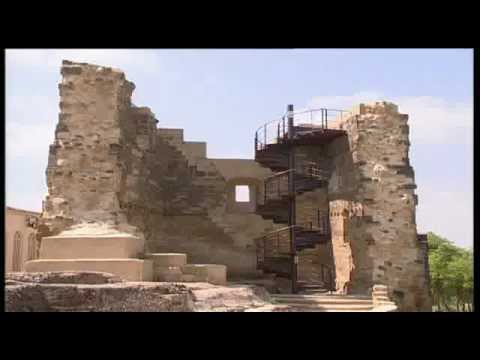
Gates and surviving wall sections help explain the shape of the hilltop town. The Sáenz de Cenzano tower incorporates an earlier defensive structure later adapted as a home. Views connect the houses with river, vineyards and surrounding heights.
Plaza de España provides a central reference point. Stone façades, arcades and smaller streets reveal a settlement still used by residents. Alternate the broad views with closer observation of doorways and balconies.
The municipal route helps locate buildings beyond the best-known attractions. Check parking and gradients if anyone needs a short or step-free approach, particularly when arriving from the lower road.
Nuestra Señora de la Asunción
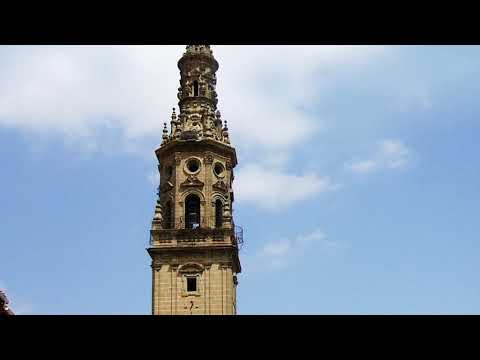
The church has a spacious interior with three aisles of equal height and rib vaults. Its main structure belongs to the sixteenth century, while the present tower was completed in 1760. The familiar silhouette therefore combines different building periods.
The main altarpiece adds a seventeenth-century phase. Architecture, sculpture and decoration reward separate attention, rather than judging the whole interior from a view of the bell tower.
Church access differs from museum admission. Ask about opening arrangements and respect worship when organising an interior visit.
The Casa Encantada
The Marquis of San Nicolás’s palace houses the town hall and the Rioja Museum’s ethnographic section, La Casa Encantada. Despite its name, it explores people’s possessions and daily lives rather than offering a haunted-house attraction.
Rooms, tools and household objects explain ways of living and working. Furniture, food preparation and devotional items connect the exterior houses with their former domestic use. The display follows changes in rural society over several centuries.
Views back towards the square return the visitor to public life after exploring private spaces. This central collection is separate from Vivanco and fits naturally into a walk around the upper town.
Vivanco’s wider view of wine
The Vivanco Museum stands beside Briones, outside the hilltop streets. Its galleries connect growing, making, transporting and drinking wine through objects, techniques and art. The collection offers considerably more than a tasting or a look at barrels.
Outside, the Garden of Bacchus gathers grape varieties from different origins. Winery experiences have their own booking arrangements and should be distinguished from museum admission. Choose activities and allow time for each.
Plan the approach from the centre and confirm transport. A meal, tasting and guided tour may require separate reservations. Opening calendars vary by day and season rather than following one uniform year-round timetable.
Vineyards and medieval festivities
Vineyards remain part of the working landscape. Stone shelters known as guardaviñas and rock-cut winepresses preserve older forms of cultivation and processing. Explore signed, permitted routes while respecting private fields and agricultural work.
The medieval festivities temporarily fill streets with traditional trades and performances. The 2026 edition took place on 20–21 June. Residents’ participation is central to the event, with future dates checked against a newly announced programme.
An ordinary weekday offers a different experience. Anyone considering a longer stay or move should assess available services and regular journeys towards Haro or Logroño, alongside the scenery and celebrations.
Sleeping and dining locally
Santa María Briones occupies a restored house in Calle Concepción and offers several room types. It welcomes guests aged twelve and over, an important booking condition for families. Allegar forms part of its restaurant offer.
The municipal directory also lists Los Calaos, El Mesón rural house and apartments within Briones. Distinguish these from accommodation in Briñas, a separate Ebro village with a similar name. The actual address determines whether the centre is walkable from the door.
Vivanco’s restaurant belongs to the winery and museum complex and looks towards vineyards. It offers a different setting from dining in the square. Reserve meals and check service on the chosen day, especially when coordinating a cultural visit.
Connections through Logroño, Miranda and Bilbao
Logroño and Haro provide approaches to Briones, with Miranda de Ebro another important gateway from the north. The N-232 corridor connects this part of Rioja Alta. Journeys from Bilbao can be organised through the Miranda–Haro area before the local section.
The council publishes bus information for Logroño, Haro, Miranda and Nájera. Services differ between school days, weekends and holidays, so confirm the actual journey and return with the operator. If arriving by train at a gateway city, allow time and make arrangements for the onward bus or road transfer.
The main upper-town route is explored on foot. Arrange additional travel for Vivanco, neighbouring villages or rural accommodation outside the centre before arrival.
Sources
- Ayuntamiento de Briones: historia y fuero de 1256
- Ayuntamiento: murallas, patrimonio y paisaje agrario
- Mancomunidad turística: iglesia de la Asunción
- Museo de La Rioja: Casa Encantada y palacio
- Ayuntamiento: recorrido etnográfico de la Casa Encantada
- Vivanco: museo, bodega y colecciones
- Turismo de La Rioja: Museo Vivanco y Jardín de Baco
- Turismo de La Rioja: Jornadas Medievales de 2026
- Hotel Santa María Briones: alojamiento y restaurante Allegar
- Ayuntamiento: alojamientos dentro de Briones
- Restaurante Vivanco: ubicación y propuesta gastronómica
- Ayuntamiento: autobuses a Logroño, Haro, Miranda y Nájera
- Plano municipal: recorrido por el conjunto histórico
- INE: Annual Population Census, 2026
- IGN: municipal area