pre-Roman traces, Camino life and a museum of communications
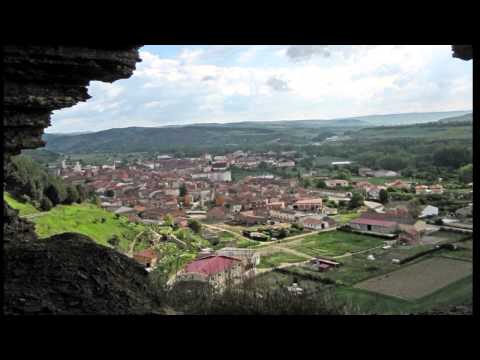
Belorado stands beside the Tirón, where agricultural valley land meets the approaches to the Sierra de la Demanda. Pilgrims know it as a stop on the French Way; a longer stay reveals ancient settlement, a medieval charter, murals and a communications museum in a former grain silo. Between Burgos and Logroño, it combines an urban heritage walk with local food and excursions into the surrounding municipality.
| Municipal population at 1 January 2026 | 1,840 |
|---|---|
| Area of the municipality | ≈ 133.41 km² |
INE Annual Population Census, reference 1 January 2026, released on 24 November 2026. The IGN area covers the whole municipality, not only the built-up centre.
Two ancient settlement sites
La Muela, north of the centre, preserves evidence of a Celtiberian settlement occupied from the mid-fourth century BC to the first century AD. La Mesa, to the west, represents a Roman phase approximately dated to the first through fifth centuries AD. They are separate places in the history preceding the medieval town.
Quartzite funerary stelae from La Mesa are displayed in the tourist office. Their inscriptions remember individuals through names, family relationships and ages. A fish-shaped hospitality tablet found in the area is kept in the Museum of Burgos, outside Belorado. These objects provide a tangible introduction to the people and contacts behind the archaeological sites.
The charter and the pilgrimage route
Alfonso I the Battler granted a charter in 1116, including rights supporting a fair and the community’s development. A position between Castile and Navarre, where farming land met livestock country, contributed to economic activity. The Camino de Santiago added movement and demand for hospitality.
A substantial Jewish community belonged to medieval Belorado, which also experienced conflict and changes in lordship. In the early modern period the town was associated with the Constables of Castile. Heraldic houses connected with families such as the Salas and Ungo de Velasco preserve another chapter of social history. Trade, settlement and patronage all form part of the story beyond a single pilgrimage stage.
Square, churches and castle
The arcaded Plaza Mayor anchors the central walk. Renaissance Santa María stands below the castle slope, while San Pedro adds a later phase associated with the seventeenth century. The Belén hermitage recalls a former hospital. Together they show different functions within the town rather than one isolated landmark.
Remains of the castle’s tower and defences overlook the houses. Allow separate time for the ascent instead of treating it as a level continuation of the streets. The Canto bridge over the Tirón and the Corro district add other points to the itinerary, connecting river, route and settlement through the spaces encountered on foot.
From grain storage to radio history
The Inocencio Bocanegra International Radiocommunications Museum occupies a restored grain silo with its machinery preserved. Communications equipment is presented through recreations of twentieth-century settings, including a trench and a Cold War border post. These are interpretive scenes, rather than remains of battles fought at Belorado.
Visits require a reservation confirmed by the museum. Municipal information announces maintenance closure from 21 to 29 November 2026. Check the programme for later dates when planning travel: the museum’s presence in the silo does not mean unrestricted entry throughout the day. Its value lies in the relationship between equipment, reconstructed settings and the history of communication.
Following the murals
The Paseo del Arte connects façade paintings produced around the town over several years. Themes draw on traditions, history and heritage, accompanying the route used by pilgrims. A map from the tourist office makes it possible to follow the walk rather than finding the murals only by chance.
This adds a contemporary view of the streets alongside churches and coats of arms. It can form part of a central circuit or a relaxed afternoon after a walking stage. Each image belongs to an urban setting: its wall, corner and depicted activity combine in the experience. The route is therefore both an outdoor art walk and another way of reading the settlement.
Fuentemolinos cave at Puras de Villafranca
Fuentemolinos cave is at Puras de Villafranca within Belorado municipality. It is distinct from the Burgos municipality also named Fuentemolinos. The cave develops through conglomerate rock, with several levels, an underground watercourse below and formations in higher galleries.
The outing is arranged with the specialist service rather than treated as an impromptu extension of the village-square walk. Municipal information provides the contact needed to prepare the activity. The Edelweiss caving group identifies the cavity and location, a useful reference when distinguishing it from similarly named destinations. Establish the requirements and arrangements for the intended visit before travelling to the starting point.
Beans and produce from the Tirón valley
Belorado’s caparrón pinto is a short, rounded red bean associated with local cooking. Valley market gardens provide onions, garlic, peppers and leeks, with onions particularly recognised in the town. Morcilla adds another link with Burgos’s food traditions and the nearby Rioja region.
Hotel Restaurante Belorado appears in the municipal directory on Avenida Burgos and supplies a specific starting point for arranging meals and a room. Consult the current menu to establish which local dishes are available. A traditional product associated with the district is not necessarily served by every restaurant at every time of year; season and the kitchen’s actual offer shape the meal.
Beds and longer stays
Accommodation includes hotels, rural houses and pilgrimage hostels. El Corro is a municipal hostel around Calle Mayor and Calle Corro. Hotel Belorado provides an option for a hotel room, while the welcoming-villages network lists other forms of stay, from houses to accommodation for walkers.
Belorado has everyday services, a library and advertised remote-working resources. For a longer visit, establish the actual accommodation and connection conditions needed for work. Tourist bookings and residential rentals are different markets, and old guide prices should not be treated as a current average housing rent. The range of services nonetheless makes it possible to consider a stay beyond one night.
City gateways and local outings
Municipal information places Belorado approximately 48 kilometres from Burgos and 67 from Logroño. The N-120 provides the Burgos approach; travel from Logroño combines that corridor with the A-12. From Bilbao, the suggested route follows the AP-68 towards Haro before continuing to Belorado. Madrid can be approached through Burgos.
The centre links square, churches and murals on foot. The museum, castle ascent and an excursion to Puras involve their own timings and approaches. For Camino walkers, a second night creates room to discover places usually missed during a standard stage, giving the town a role beyond reaching a bed at the end of the day.
Sources
- Ayuntamiento: La Muela, La Mesa y estelas romanas
- Ayuntamiento: fuero de 1116, Camino y señoríos
- Ayuntamiento: iglesias, plaza, castillo y puente
- Ayuntamiento: arquitectura civil
- Ayuntamiento: Museo Bocanegra y aviso de mantenimiento de noviembre de 2026
- Ayuntamiento: itinerario de murales
- Ayuntamiento: cueva de Fuentemolinos en Puras de Villafranca
- Grupo Espeleológico Edelweiss: identificación de la cavidad
- Ayuntamiento: caparrón, huerta y morcilla
- Directorio municipal: Hotel Restaurante Belorado
- Turismo municipal: albergue El Corro
- Red Nacional de Pueblos Acogedores: servicios y modalidades de estancia
- Ayuntamiento: accesos desde Burgos, Logroño y Bilbao
- INE: Annual Population Census, 2026
- IGN: municipal area