a Merovingian abbey, Romanesque domes and the Briance valley
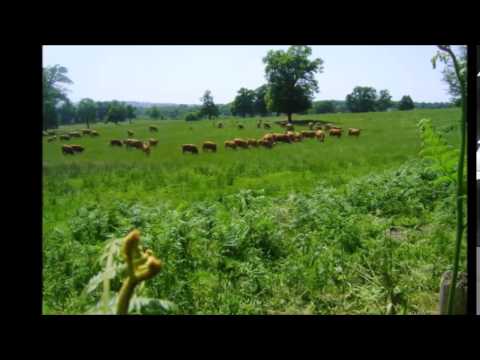
South of Limoges, Solignac is shaped by its abbey and the River Briance. Narrow streets, timber-framed houses, a medieval bridge and a substantial Romanesque church reward an unhurried visit. Proximity to Limoges makes an excursion straightforward, while local cottages and walking routes provide reasons to stay longer in the valley.
| Municipal population, 2023 reference | 1,552 |
|---|---|
| Approximate geographical area of the commune | ≈ 16.80 km² |
Population at 1 January 2023, within municipal boundaries at 1 January 2025; official figure in force from 1 January 2026. The area covers the whole commune, not only the built-up centre.
A seventh-century monastery on an older estate
Solemniacum is recorded in the early seventh century as a Merovingian estate with Gallo-Roman origins. Dagobert gave it to his adviser Éloi, who established a community with monks from Luxeuil. The monastery therefore belongs to the early Middle Ages; earlier occupation of the estate does not make the church visible today a Roman building.
The abbey subsequently accumulated extensive land, particularly during the tenth and eleventh centuries. Warfare, rebuilding and the Revolution changed its fortunes. After sale as national property, the buildings served different purposes, including education and porcelain manufacture. The site combines religious history with a later history of work that is not immediately apparent from its monumental appearance.
Domes and successive building campaigns
Most of the present church dates from the twelfth century. Nave, transept and choir represent different phases, with the entrance porch added in the early thirteenth century. Inside, a sequence of domes carried on substantial pillars gives the space its distinctive scale.
The adjoining monastic buildings should be considered separately: much of their present appearance results from eighteenth-century reconstruction. The regional inventory also records changes to the bell tower and later campaigns. Reading the site means distinguishing these layers, rather than imagining a complete complex surviving unchanged from Éloi’s time. Its architecture tells a longer and more varied story.
Carved oak and the monastic offices
The fifteenth-century oak choir stalls made under Abbot Martial Bony de la Vergne are a major feature. Their misericords allowed clergy to rest during long services while appearing to remain standing. A practical function gave the carvers an unusually expressive setting.
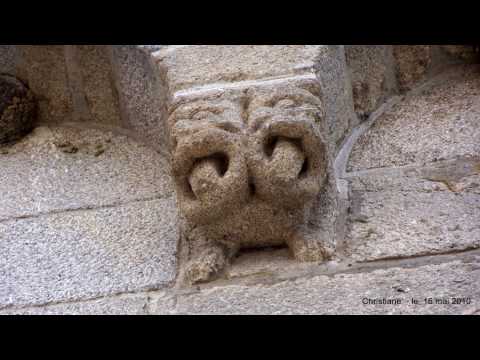
Secular, mocking and grimacing figures appear among the decoration, creating a striking contrast with the furniture’s liturgical purpose. Observe accessible details without handling or moving the seats. Carved capitals and paintings add to the church visit. Respect services and local instructions: this remains a place of worship, and its furnishings are part of that setting rather than an independent exhibition room.
The bridge and the Borie circuit
Streets lead down from the centre to the medieval bridge over the Briance. Older houses and views back towards the abbey church make this a worthwhile short walk without committing to a longer country route. Pont-Rompu downstream is a separate bridge from the one beside the village.
The tourist office’s Borie circuit covers roughly nine kilometres, linking the settlement, valley views, the Château de la Borie area and wooded paths. Châlucet Castle in Saint-Jean-Ligoure and Reynou wildlife park in Le Vigen provide nearby excursions. Their proximity should not obscure their locations in neighbouring communes rather than within Solignac itself.
Choosing accommodation
The municipal walkers’ hostel on Place de la Briance receives hikers and pilgrims on the GR 4 and GR 654 routes, with bookings through the town hall. Other cottages include Cherveix, Leygat and Le Terrier, alongside guest accommodation such as Sous les Remparts and Le Cheyrol. These offer different balances between central access and a countryside setting.
Hospitality at the abbey follows specific conditions: the Benedictine community states that its individual stays are for men participating in daily liturgical life. This spiritual retreat is different from an ordinary hotel booking. Limoges provides a nearby alternative for conventional hotel rooms and a wider selection. Check the final address before assuming your chosen accommodation puts all village facilities within walking distance.
A meal and the journey from Limoges
Le Quatre on Place de la Briance serves seasonal cooking with fresh ingredients and different arrangements across the week. Le Parvis near the abbey church provides a place for refreshments and simple food. The terraces and nearby old streets make a meal in the village a natural extension of the visit.
Solignac–Le Vigen station is in Le Vigen. Regional services connect it with Limoges on the southern rail axis; check the relevant stops and timetable. Limoges-Bénédictins provides longer-distance connections. Drivers can approach the area from the A20 and local roads. For an extended stay, compare central and outlying addresses: being close to Limoges does not give every property the same practical access to trains, shops and everyday services.
Sources
- Commune : village, Briance et patrimoine
- Inventaire régional et ministère de la Culture : histoire et architecture de l’abbaye
- Office de tourisme : église et stalles sculptées
- Diocèse de Limoges : histoire et usages successifs des bâtiments
- Office de tourisme : boucle pédestre de la Borie
- Office de tourisme : village, événements et excursions
- Commune : gîte d’étape et hébergements
- Communauté bénédictine : conditions de séjour à l’abbaye
- Commune : restaurants Le Quatre et Le Parvis
- Office de tourisme : restaurant Le Quatre
- SNCF TER : gare de Solignac–Le Vigen
- INSEE: official 2023 reference population
- French administrative API: municipal geography and area