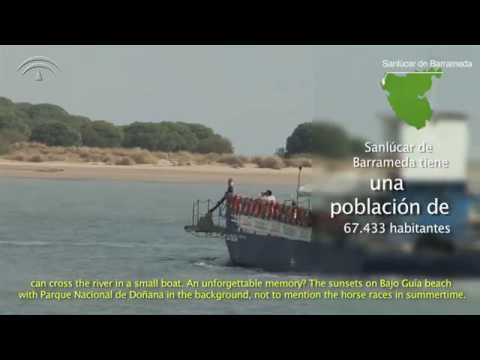
Sanlúcar de Barrameda faces the Atlantic at the mouth of the Guadalquivir. Its upper streets and lower waterfront tell related but distinct stories: defence of the river entrance, journeys across the ocean, wine production and a present-day coastal town. The opposite bank belongs to the Doñana landscape, which should be visited through authorised routes rather than treated as an ordinary beach extension.
Upper town and maritime history
The municipal tourism service identifies an earlier Islamic fortification at the river mouth, but its account of a mythical Tartessian origin is not a secure founding date for the present town. The fifteenth-century Castillo de Santiago defended this strategic approach. Nearby, the Ducal Palace of Medina Sidonia and the fourteenth-century church of Nuestra Señora de la O are prominent stops in the Barrio Alto. The municipal upper-quarter route links them with streets, former convents and spaces connected to the local wine trade.
Sanlúcar became closely tied to Atlantic navigation and trade after the voyages to the Americas. Its later nineteenth-century life also included a courtly summer season. Manzanilla, the locally matured sherry style, remains a working part of the economy. A bodega visit can explain its production, but check reservations and opening dates with the producer. The lower town has markets, restaurants and the riverfront, giving a different rhythm from the monumental upper quarter.
Food, sea and staying
The beach and estuary are central to a longer visit. Boat or guided visits towards Doñana depend on licensed operators, weather and conservation rules. Sanlúcar has hotels and restaurants in the town; seafood and local wine are especially prominent. Cádiz and Jerez de la Frontera are useful larger-city references, while Seville is an important connection farther up the Guadalquivir. Check road and bus links for the travel date. Staying overnight allows time for both quarters and the coast without compressing the town into a single wine tasting.