Perinaldo stands on a Ligurian ridge at 572 metres, looking across olive terraces toward the sea and the Maritime Alps. Its long, narrow centre follows the crest: lanes and small squares repeatedly open onto the slopes of the Crosia valley. ISTAT’s provisional annual balance counts 775 residents in the whole municipality on 31 December 2025. The village’s character comes from a meeting of landscape, medieval settlement, astronomy and small-scale farming: Giovanni Domenico Cassini was born here, an observatory still welcomes visitors, and the surrounding terraces produce Taggiasca olives and the local violet artichoke.
A ridge village with a layered past
The municipal guide calls the settlement Podium Rainaldji and dates its development to the eleventh century, linking the name with Rinaldo of the counts of Ventimiglia. This is the town’s account of its medieval origins, not evidence of a Roman foundation. The visible centre is a compact succession of stone lanes, small squares, churches and residences that looks over the valley. It stretches for about two kilometres from east to west, so a visit rewards a walk rather than a quick stop at one viewpoint.
Begin near the former Franciscan convent of San Sebastiano, built in the early seventeenth century and now housing the municipality, observatory and Cassini museum. The adjacent church of Sant’Antonio da Padova has a Baroque interior and a distinctive triangular-based bell tower. Continue to the parish of San Nicolò and the Fontana dei Leoni, once a source of spring water. Municipal pages give differing summaries of San Nicolò’s early building phases, so its fabric is best understood as layered rather than assigned a single certain foundation date. On Via Maraldi, the so-called Castello Maraldi is not a medieval fortress: the Comune describes a private residence transformed around 1804. Access is limited to guided visits arranged by the municipality.
Cassini’s birthplace and astronomy today
Gian Domenico Cassini was born in Perinaldo in 1625. After studying and teaching in Bologna, he moved to Paris in 1669, where he worked at the royal observatory and observed Saturn, discovering four of its moons. His story gives this small village a genuine connection to European science. Perinaldo has also built a present-day visitor experience around astronomy. The municipal observatory, founded in 1989, now combines observing domes, a planetarium, solar instruments, virtual-reality interpretation and scientific installations around the village. The Cassini museum displays records, drawings, correspondence and portraits, and introduces the Maraldi astronomers, also born here.
The association Orbita manages the observatory and schedules public observing nights and educational activities; private tours are available by arrangement outside announced dates. This makes an evening visit appealing, but observing depends on weather and a confirmed booking. Check the current calendar and contact the operator before planning around a telescope session. By day, the museum and small astronomical displays in the lanes provide a quieter route through the same scientific history.
Olives, artichokes and local work
Agriculture shapes both the landscape and the village’s identity. The municipal guide cites twelfth-century records for olive cultivation and names Taggiasca oil among the local products. The carciofo di Perinaldo is a particularly distinctive crop: grey-violet, spineless and, under the municipal De.C.O. rules, grown within the local area. Its heart is tender and lacks the fibrous centre found in many other varieties; harvesting generally runs from late April through June. Some growers preserve the artichokes in Taggiasca oil, while local cooking uses them raw or prepared in seasonal dishes.
A story says Napoleon brought the Provençal violet variety to Perinaldo during the Italian campaign of 1796. The municipal guide labels this an origin legend rather than a documented transfer. The crop itself, its local designation and its growing rules are firmer evidence of how landscape and food culture meet. A spring food event may celebrate the artichoke and olive oil, but dates and participants change; check the municipal calendar. The tourism portal also lists accommodation, food businesses and shops, useful in a small village where services are spread out.
Getting there and planning time
By car, the Comune recommends Provincial Road 59 from Vallecrosia through San Biagio della Cima and Soldano. Perinaldo is about 22 kilometres from Sanremo; the municipality identifies Ventimiglia as a coastal gateway and confirms a Riviera Trasporti bus connection from there. Check current timetables, service days and the return journey, especially if staying for an evening event. Apricale and Dolceacqua make natural companions for a western Ligurian inland itinerary. The ridge roads are winding, and the village itself is best explored on foot. Allow half a day for the old centre and museum, with an evening added if you have booked the observatory.
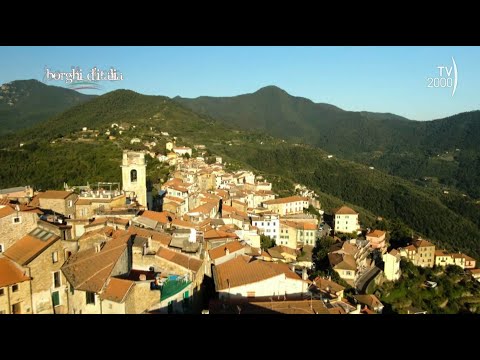 Perinaldo in three videos: village, Cassini museum and artichokes
 This short Il Secolo XIX segment takes viewers into the Cassini museum, with its manager explaining key discoveries and the mayor placing the displays in the context of Perinaldo’s cultural life. At just over three minutes, it works as a focused preview of the scientific collection rather than a full history of Cassini or the observatory. The museum’s displays and access arrangements may have changed since filming in 2018; confirm current hours before visiting.
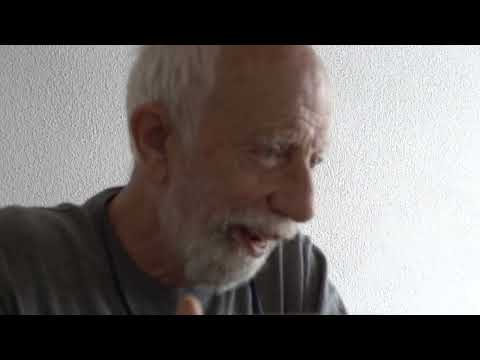 Local grower Francesco Guglielmi introduces Perinaldo’s distinctive violet artichoke and explains how it differs from other varieties. The video adds a working-food perspective to the village and museum portraits, connecting a local crop with the landscape and its De.C.O. production identity. It was published in 2024 and is useful for understanding why the artichoke matters here, but it is not a directory of current producers, seasonal stock or opening hours.