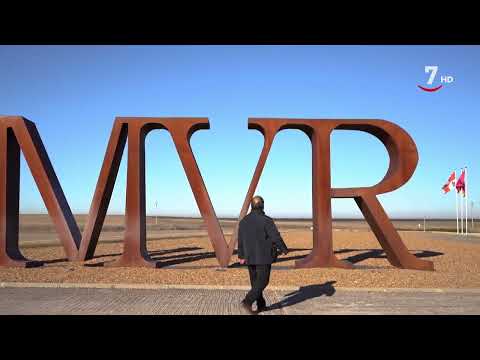
Mudéjar brickwork, Golden Age theatre and a spa town south of Valladolid
Olmedo brings together brick-built churches, surviving town walls, a theatrical attraction devoted to Lope de Vega’s Knight of Olmedo, miniature monuments and a spa hotel in a former convent. The combination supports a longer visit than a quick roadside stop between Madrid and Valladolid. Its inhabited streets and food businesses also reveal a working town beyond the best-known cultural attractions.
| Municipal population at 1 January 2026 | 3,701 |
|---|---|
| Area of the municipality | ≈ 128.79 km² |
INE Annual Population Census, reference 1 January 2026, released on 24 November 2026. The IGN area covers the whole municipality, not only the built-up centre.
The medieval town takes shape
Municipal history places the capture of Olmedo by Alfonso VI before 1085 and its resettlement in 1093, when it received the charter of Roa. This period helps explain its organisation as a town and its relationship with settlements in the surrounding district.
Its name is connected with elm trees. A story about Vaccaean hunters naming the place belongs to local legend rather than a securely documented foundation. In later centuries Olmedo became involved in Castilian royal conflicts and changes of lordship. The surviving urban heritage is best understood through those medieval and subsequent developments.
Gates and the town of seven sevens
The traditional description as the town of seven sevens groups together squares, churches, convents, gates, fountains, noble houses and dependent settlements. It offers a starting point for exploring, although individual elements have disappeared or acquired other uses. The present town preserves a changing inheritance rather than an untouched medieval inventory.
The San Miguel gateway and stretches of wall make the former enclosure easier to recognise. Nearby churches, façades and squares encourage a walk alternating broad views with close examination of brickwork. Following the municipal route helps connect buildings whose historic names and current functions may differ.
San Miguel and the Soterraña crypt
San Miguel rewards an unhurried interior visit. Its brick architecture contains altarpieces and sculpture from several periods. A tomb in the gospel-side aisle combines plant ornament, stars and medieval lettering, offering a particularly interesting example of the decorative vocabulary used by its makers.
Steps lead to the crypt of the Virgen de la Soterraña, the local patron. Its octagonal plan, decorated dome and altarpiece create a setting quite different from the upper church. A medieval image surrounded by later decoration shows how continued devotion reshaped the building. Consider both levels together when planning time inside.
Other churches and adapted buildings
Santa María del Castillo and San Andrés extend the architectural walk. Materials, arcading and later changes allow comparisons across the religious heritage. Check which interiors are accessible when arranging the day, leaving enough time for buildings that are actually open.
Houses and buildings adapted to new purposes stand between the churches. The former Merced convent and Casa del Reloj contribute to that street scene. Looking at the relationship between monumental architecture and inhabited streets gives a fuller impression than moving only between famous façades. The town’s appeal lies partly in that continuity of use.
Lope de Vega and a living theatre tradition
The Palacio del Caballero de Olmedo occupies the former house of the counts of Bornos in Plaza de San Julián. Its staged interiors interpret Lope de Vega’s play and the Spanish Golden Age. This is an immersive cultural attraction rather than an unchanged home belonging to the literary character.
The connection continues through Olmedo Clásico. In July 2026 the festival held its twentieth edition, using the palace’s Corrala and the San Pedro performing-arts centre. Consult the programme for the season of a proposed visit: one year’s dates, productions and companies should not be carried forward as promises for the next.
Mudéjar monuments at a smaller scale
The Mudéjar theme park brings together scale reproductions of buildings from Castilla y León in landscaped grounds. Towers, apses and doorways that stand far apart across the region can be compared within one visit. These are models made for the park, rather than original medieval structures moved into Olmedo.
Combined admission is advertised for the park and the Palacio del Caballero. Establish current opening arrangements and available activities before combining them with churches and lunch. In the photo gallery, the miniature of San Miguel is identified as a model so that it can be distinguished from photographs of the actual church.
Where to stay and eat
Castilla Termal Olmedo occupies the former Sancti Spiritus convent and provides hotel accommodation and thermal facilities. The municipal directory also lists La Mesnada, La Cija, Hostal Don Alonso and visitor apartments or houses. Sleeping in the town is therefore possible without returning to Valladolid.
Dining options in the directory include El Hontanar, Rincón Mudéjar, Mesón La Villa, Los Marinos and Jimeno Factoría. Compare menus, opening times and service rather than expecting identical specialities everywhere. Make a separate table reservation when meals are not included in the accommodation arrangement, particularly during cultural events.
Food production and everyday services
Agriculture and food processing remain visible in the local business base. The municipal directory includes agricultural trading, food companies and farms alongside shops, building businesses and workshops. Tourism and hospitality add another part of the economy. These activities give Olmedo a service role extending beyond its monuments.
For a possible move, explore the shops and investigate education, healthcare and transport against actual household needs. A stay outside a festival period is useful for checking ordinary hours and commuting. Visitor accommodation supports that exploratory trip, while its nightly prices should not be read as evidence of residential monthly rents.
Reaching Olmedo
Alsa sells a Valladolid–Olmedo coach route with arrival on the N-601. The operator gives a route distance of roughly 45 kilometres. Check the service and stop for the chosen date, particularly when connecting with a train at Valladolid, and allow time to reach the accommodation.
The N-601 also provides the road approach. From Madrid, compare current routes and connections before booking. Olmedo’s name appears in high-speed railway projects, but a practical visit needs an itinerary based on available passenger stations and services. Confirming the final section is more useful than assuming that a railway junction provides a town-centre stop.
Sources
- Ayuntamiento: historia medieval de Olmedo
- Ayuntamiento: San Miguel y Soterraña
- Ayuntamiento: Santa María
- Ayuntamiento: San Andrés
- Ayuntamiento: puerta y murallas
- Ayuntamiento: parque de réplicas
- Ayuntamiento: experiencia del Caballero
- Festival Olmedo Clásico: edición de 2026
- Ayuntamiento: alojamientos y restaurantes
- Ayuntamiento: empresas y servicios
- Castilla Termal: hotel y antiguo convento
- Alsa: conexión Valladolid–Olmedo
- INE: Annual Population Census, 2026
- IGN: municipal area