the collegiate church, the Laws of 1505 and wine country above the Duero
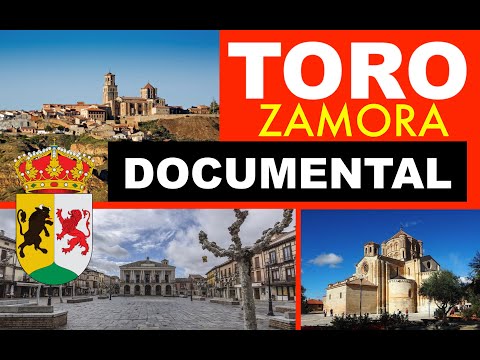
Toro stands on high ground above the Duero plain in the province of Zamora. The collegiate church’s dome marks its skyline, while gates, palaces and brick-built churches shape the streets below. Wine links the historic centre with vineyards and cellars across the district. Art, food and countryside give this small city enough variety for more than a brief stop.
| Municipal population at 1 January 2026 | 8,446 |
|---|---|
| Area of the municipality | ≈ 324.86 km² |
INE Annual Population Census, reference 1 January 2026, released on 24 November 2026. The IGN area covers the whole municipality, not only the built-up centre.
An ancient sculpture and a medieval city
The stone bull known as the verraco dates from the Second Iron Age and provides a reference to the area’s pre-Roman past. That archaeological inheritance should be distinguished from the development of the medieval city, whose political and military importance is expressed in the surviving buildings.
Toro was home to nobles, hosted meetings of the Cortes and played a role in the succession war between the supporters of Isabella of Castile and Joanna. The battle of Toro belongs to that conflict. The Laws of Toro, promulgated in 1505, gave the city a lasting connection with Castilian legal history.
The collegiate church and medieval colour
Santa María la Mayor was built between the late twelfth and thirteenth centuries. Successive construction phases reflect the transition from Romanesque to Gothic. Its dome dominates the exterior and creates a visual relationship with the celebrated group of domed churches in Zamora and Salamanca.
Inside, the Portal of Majesty retains remarkable colour on its carved figures. Give time to the relationship between sculpture, archivolts and painted surfaces. The church deserves a substantial visit in its own right, including its spaces and collections, followed by a walk around the exterior to appreciate the setting above the river plain.
Churches with different collections
San Sebastián de los Caballeros preserves Gothic wall paintings brought from Santa Clara. Their movement explains how a museum in one church can introduce works created for another religious complex. Visiting several buildings therefore adds different collections and histories rather than repeating the same experience.
At Sancti Spiritus, notable features include Beatrice of Portugal’s tomb, decorated ceilings and painted textiles. Other monasteries retain enclosed religious communities and do not provide general access to all rooms. Coordinate interiors through the tourist office and respect spaces that remain outside the visitor route.
Gates, palaces and public architecture
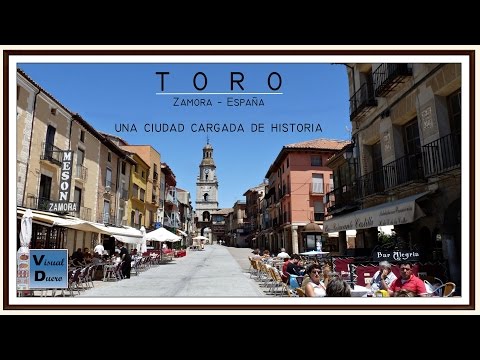
The clock tower rises above the former Market Gate. Streets lead from it towards Plaza Mayor and the Neoclassical town hall. The Corredera and Postigo gateways and surviving wall sections help reveal successive stages of urban growth.
The palace of the counts of Requena retains a Gothic-Renaissance courtyard, while the palace of the marquises of Castrillo has cultural uses. Teatro Latorre continues the connection between heritage and public activity. The historic bullring, opened in 1828, provides an example of timber, rammed-earth and brick architecture that can interest visitors independently of the events held there.
Wine and the working economy
The current Toro designation of origin was established in 1987 after a much longer history of wine production and trade. Vineyards, wineries, distribution and related services connect the city with neighbouring settlements. Tinta de Toro is the district’s best-known grape variety.
The Wine Route brings together producers and visitor businesses, including Valdigal, Rejadorada, Fariña and other cellars. Check addresses carefully: some visits take place in the centre, while others require transport. Booking a specific experience is a practical way to understand production and installations without assuming that every winery accepts unannounced visitors.
Cheese, garden produce and restaurants
Local cooking brings together garden produce, cheese, meats and cured products from the province. The Chillón Cheese Museum adds a food-production visit distinct from a wine tasting. These different activities allow a gastronomic stay to explore more than one side of the district’s output.
Wine Route members include restaurants such as Doña Negra, Carpe Diem and Castilla. Hotel Juan II has Taberna Malaspina and a panoramic restaurant, offering different types of service. Check menus and reservations directly. Membership provides a useful way to find businesses, rather than a ranking that makes one automatically the best choice for every diner.
Views and the Duero landscape
The edges of the historic centre look across the river, fields and terraces. The Alcázar houses the tourist office and has a wall walk open to visitors. It offers a useful starting point for orientation and for deciding which countryside outings to add after the monuments.
Pinewoods and surrounding tracks extend the walking possibilities. Municipal information also describes springs and other features of the agricultural landscape. Choose a marked route according to available time and ground conditions. The high town and riverbank occupy different levels, a practical consideration when allowing for the return walk.
Sleeping in town or among the vineyards
Hotel Juan II stands beside Paseo del Espolón and the collegiate church, placing its rooms within the monumental centre. The Wine Route also includes Posada Rejadora and other accommodation. Valbusenda and rural properties provide different settings, so distinguish an urban address from an estate outside the centre before booking.
For a possible move, combine sightseeing with an ordinary weekday stay. Investigate services, journeys and available homes against work in the district or Zamora. Wine production is a significant part of the economy, but it does not by itself establish a particular job opportunity or a guaranteed supply of rental housing.
Approaches through Zamora and Tordesillas
The A-11 follows the Zamora–Tordesillas corridor and connects onwards towards Valladolid and Madrid. It provides a road approach to Toro and opportunities to combine several Duero destinations. From Portugal, compare the complete itinerary and the chosen border crossing before setting out.
Zamora bus station publishes Toro–Zamora and Zamora–Toro–Vezdemarbán routes. Zamora also has passenger rail connections with Madrid. Check current services and allow for transfers between stations. A car-free trip requires the final section to Toro and the return journey to be planned explicitly, rather than relying only on the main railway connection.
Sources
- Turismo municipal: historia de Toro
- Turismo municipal: verraco, defensas y puertas
- Turismo municipal: palacios y edificios públicos
- Turismo municipal: Colegiata y Pórtico de la Majestad
- Turismo municipal: iglesias y museos
- Turismo municipal: monasterios
- Turismo municipal: paisaje del Duero
- Turismo municipal: productos locales
- Consejo Regulador: historia de la denominación
- Ruta del Vino: bodegas, restaurantes, museos y alojamientos
- Hotel Juan II: alojamiento y ubicación
- Hotel Juan II: Taberna Malaspina y restaurante
- Estación de Zamora: líneas con Toro
- Turismo de Zamora: red viaria y conexiones ferroviarias
- INE: Annual Population Census, 2026
- IGN: municipal area