Hartola is a small rural municipality in Päijät-Häme, known for a name that sounds grander than its constitutional status: the Kingdom of Hartola. The title is a civic tradition and visitor identity, not a real monarchy. Statistics Finland counted 2,401 residents across the whole municipality on 31 December 2025. The strongest impression comes from the combination of a manor landscape, a local literary heritage, a winding river and outdoor routes close to the village centre. Hartola is also a useful pause on Highway 4 between Lahti and Jyväskylä, where a traveller can leave the road for a few hours and find more than a roadside service stop.
What the kingdom name actually means
The roots of Hartola's royal association are well documented, even if the modern title is playful. The municipality's history records Hartola as a church parish in written sources as early as 1398; the local museum describes much older archaeological traces and settlement in the Iron Age. That evidence tells a story of long-lived communities, not a Roman or other classical foundation. In the eighteenth century Hartola had become a manor district within the parish of Sysmä. On 31 August 1784, King Gustav III separated it into an independent parish and named it Gustav Adolfs Socken after the crown prince, later Gustav IV Adolf.
In 1987 the municipal council revived that royal connection by declaring Hartola Finland's only kingdom. It is an affectionate local brand, visible in the names of visitor routes and businesses, rather than a claim of political sovereignty. Knowing that distinction makes the royal language more interesting: it turns an administrative decision from the Swedish era into a modern way of telling visitors about local character.
Koskipää manor and the stories of eastern Häme
Hartola is often described locally as a manor and literary district. The Itä-Häme Museum, housed in buildings of the former Koskipää estate, brings that history together. The regional museum covers seven local parishes and was founded through the initiative of author Maila Talvio; President Relander inaugurated it in 1929. The collections move between manor life, farming and household work: visitors can find folk objects, agricultural displays and a traditional smoke hut, as well as memorial rooms for writers Maila Talvio, Uuno Kailas and Mika Waltari. A section on Vuoksenranta, in ceded Karelia, recalls a community whose residents were resettled in eastern Häme after the war.
This is more than a collection of attractive old rooms. It explains how estates, farms, writers and migration shaped a small regional centre. The surrounding Koskipää yard helps connect exhibits to place, while the museum's scale makes it possible to spend time with objects rather than hurry through a large institution. Opening hours change between summer and winter, so check the museum's own notice before travelling. The former manor grounds have also hosted summer art exhibitions; check the current programme because formats and dates can change.
A granite church and a village shaped by the river
At the centre of the village, Hartola's grey granite church is a striking counterpoint to the timber and farm buildings of the wider countryside. Designed by Josef Stenbäck and built between 1911 and 1913, it combines National Romantic design with Gothic Revival and Art Nouveau details. Its sculpted stone exterior gives the village a strong visual anchor. Seasonal visitor access is offered at some times of year, but the interior is not assumed to be open daily.
The nearby Tainionvirta explains why this settlement developed where it did. The river begins at Jääsjärvi and continues toward Päijänne, with historic mills and built heritage along its banks. It can be approached as a landscape for walking, paddling or fishing, but these activities require different planning. The municipal information gives the fishing season as April to August and notes that permits and a fisheries management fee may be required. Check current permits, conditions and rules before casting a line; the river is not a guaranteed catch. Kuninkaanpolku links the village with the river corridor, forest and cultural sites in four marked sections. One section, Ekonpolku, is designated accessible. Look at the latest municipal map and route conditions before setting out.
Market day, golf and winter on the hills
Hartola's biggest gathering comes once a year with the market held on the first Saturday in September. Its roots reach back to early nineteenth-century hiring fairs, when workers and employers met as the agricultural season turned. Today it is described as one of Finland's largest one-day rural markets, bringing stalls, food, meetings and a busy village centre. It gives the municipality a different scale for a day, but the next date and arrangements should be checked with the organiser rather than assumed.
Other activities spread across the seasons. Hartola Golf has an 18-hole course with a clubhouse, food service and equipment support; in winter Purnu, in Vuorenkylä, offers skiing and snowboarding when conditions permit. The visitor portal lists places to stay, eat and spend time outdoors, including Gasthaus-Camping Koskenniemi by the river. The town itself has grocery shops, cafés, restaurants, a library, health services and other everyday facilities. That mix matters to visitors: Hartola is a lived-in municipality whose hospitality sits alongside schools, work and local associations, not a themed park around its royal nickname.
How to arrive and plan a stay
Highway 4 runs through Hartola and is the main approach from Lahti to the south and Jyväskylä to the north. Coaches stop along the highway; the municipal transport page recommends searching Matkahuolto with the stop name “Hartola valtatie 4.” Some early and late services changed in 2026, so check the live planner for the date of travel and confirm the onward walk or local ride from the stop. The attractions sit within and around the village rather than at one transport hub, so a car or bicycle can make it easier to connect the museum, river, golf course and trails.
A first visit can pair the church and Itä-Häme Museum with a walk along Kuninkaanpolku and an evening by Tainionvirta. A longer stay can add fishing in season, a round of golf or a winter trip to Purnu. If your journey coincides with the September market, reserve extra time for the centre and check temporary road and parking arrangements. Hartola rewards visitors who look past the royal nickname: its strongest story is the way manor culture, writing, river life and a practical village community continue to share the same landscape.
 Hartola in three videos: river life, fishing and the autumn market
 This fishing video follows two hosts on Tainionvirta in Hartola and focuses on lure fishing for trout, including where permits can be obtained. It offers a specific view of the river as a fishing destination, but it is an angling outing rather than neutral visitor information and its description also promotes a tackle shop. Regulations, protected species, water conditions and permit requirements can change; check the current rules before fishing and do not treat the footage as a promise of a catch.
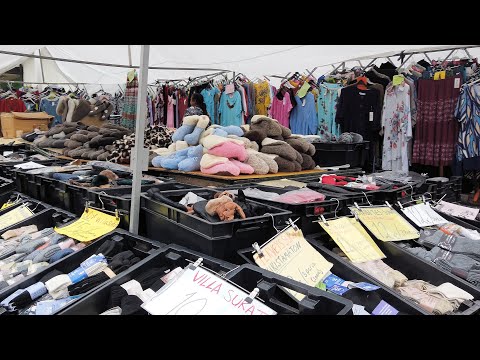 Väinö Peltonen’s recording is labelled Hartola Market 2025 and was published on the event date, 6 September 2025. It preserves a glimpse of the market as it looked that year: a busy annual gathering in the centre, rooted in Hartola’s long fair tradition. This is a dated event record, not a current programme or practical access notice. Confirm the next market date, traffic arrangements and services with the organisers before travelling.