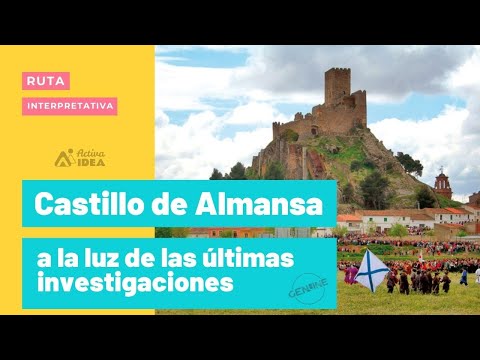
Almansa occupies a passage between the plains of Albacete and the routes towards Valencia and Alicante. Its castle rises abruptly from the Cerro del Águila, making the relationship between town and terrain easy to understand. Yet the fortress is only one part of the local story: the Battle of Almansa in 1707 gave the town a place in the wider history of the War of the Spanish Succession.
Fortress and battlefield
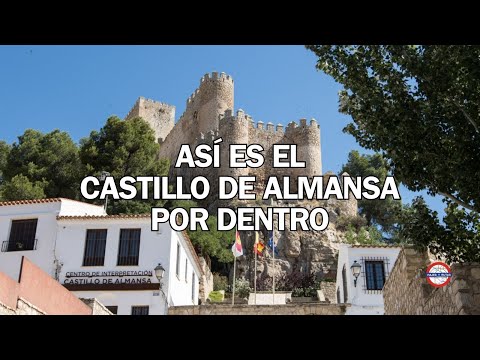
The town’s tourism office traces the earliest castle works to the late eleventh century, perhaps as a watchtower or small fortified enclosure. It describes the arrival of Castilian forces in the 1240s and later changes that produced the outline visible today. The castle was nearly demolished after being declared ruinous in 1911; instead it received monument protection in 1921. This rescue is part of its story. However, the tourism office currently marks the castle temporarily closed for maintenance, so visitors should confirm access before arranging a trip around its interior.
The interpretation museum beside the tourism office explains the 1707 battle and its setting. A walk through the historic centre, with churches and older streets beneath the castle rock, gives the military narrative a human scale. The battle’s consequences affected far beyond Almansa, but the museum and battlefield route can be used to see what happened here rather than treating the town as a mere name in a history book.
A practical stop
Almansa has hotels and restaurants in town. The tourism office lists bus operators serving it and notes high-speed rail stations at Albacete and Villena, both requiring a further connection. Check current trains, buses and castle opening status for the chosen date. Albacete is the nearest major-city reference; Valencia and Alicante are also useful for a longer road itinerary. With limited time, combine the museum and old quarter; if the castle reopens, allow a separate visit for its climb and views.