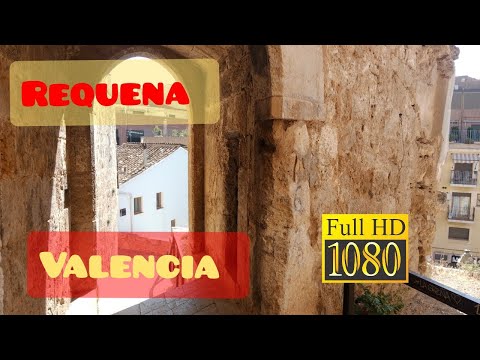
Requena stands inland from Valencia, where a historic upper quarter sits over a network of excavated rooms. In the Barrio de la Villa, the visit can move from streets and defensive remains to the Cuevas de la Villa beneath them. The underground spaces explain how food and wine were stored and worked in this landscape; the vineyards outside town show that the story is still current.
The Villa above and below ground
Valencia’s tourism authority describes the Barrio de la Villa as the medieval core, with remnants of walls, heraldic houses, churches and the old fortified area. The caves were cut into limestone and clay during the Islamic period and later had several uses: homes, refuges, stores and wine cellars. Their jars and presses help explain historic production more directly than a generic cellar tour. Book or check the visitor route rather than assuming every chamber is freely accessible.
The Torre del Homenaje, churches and museums add to the above-ground walk. The Casa del Arte Mayor de la Seda recalls a different craft economy, while the wine museum relates the town to vineyards of the wider Requena-Utiel area. The municipal and regional visitor material places these attractions close enough for a coherent historic-centre itinerary. A winery visit outside town should be planned separately and reserved directly with the producer.
Arriving and staying
Valencia is the principal large-city reference by road and rail. Check the service and station for the travel day, then allow time to reach the elevated old quarter. Requena has hotels, restaurants and winery-related accommodation in and around the town. Choose a central address if the main aim is to walk the Villa; rural lodgings suit a vineyard itinerary with transport. Regional food, wine and the caves make an overnight stay worthwhile, but tasting visits should be paired with safe onward travel.