Romanesque galleries, rock-cut cellars and the Duero frontier
San Esteban de Gormaz lies between the Duero and its castle hill in western Soria. Arcaded churches introduce an early phase of Castilian Romanesque architecture, while rock-cut cellars reveal a continuing wine culture. The bridge, streets and riverside routes connect buildings with the landscape that helped shape the town’s history.
| Municipal population at 1 January 2026 | 3,020 |
|---|---|
| Area of the municipality | ≈ 406.71 km² |
INE Annual Population Census, reference 1 January 2026, released on 24 November 2026. The IGN area covers the whole municipality, not only the built-up centre.
A settlement on a changing frontier
Archaeological remains include Arevacan and Roman material, inscriptions and reused pieces. This earlier occupation preceded the prominence of the medieval fortress overlooking a strategic river crossing. During the tenth and eleventh centuries the stronghold changed hands in conflicts between Christian and Andalusi powers.
A more stable frontier encouraged settlement and the organisation of the council. In 1423 John II created the county of San Esteban de Gormaz for Álvaro de Luna. The grant altered the political framework of a community whose activities had developed around defences, markets, farmland and communications through the valley.
San Miguel and the gallery of 1081
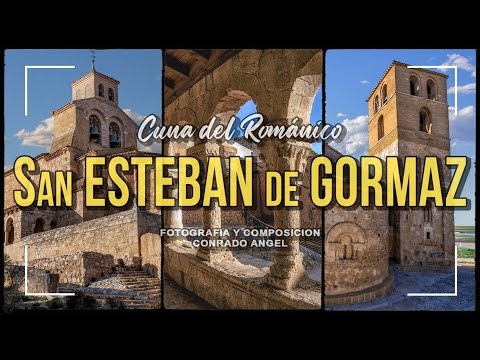
An inscription associated with the master Julianus dates San Miguel’s gallery to 1081, making it an early example of the Castilian Romanesque type. The portico also had a social purpose. Its arches and capitals combine human figures, animals and buildings that reward close attention.
Restoration has recovered plaster, paintings and many medieval graffiti. Archaeology also helps explain burial within the church and around it. These discoveries make an interior visit an important complement to the gallery. The building has a history of changing uses and alterations that cannot be understood through its exterior silhouette alone.
The Rivero church and the upper town
Twelfth-century Santa María del Rivero follows the arcaded-gallery model from an elevated position. It is the church of the local patron and a valuable comparison with San Miguel. Views nearby help place the old centre against the river below.
A walk can connect the bridge, town gate, Calle Mayor and the climb towards the churches. The castle survives as ruins on the hill. Its position makes the former strategic importance of the valley more apparent than a map alone, though the ascent requires attention to slopes and ground conditions. Plan it separately from an easy riverside stroll.
Wine beneath the slopes
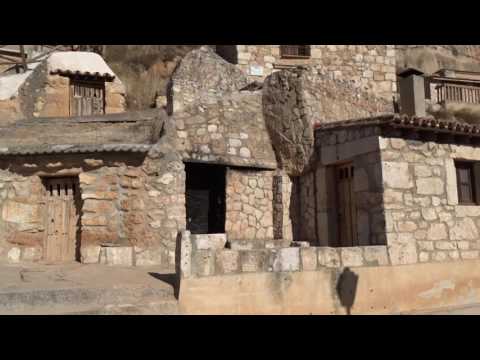
Traditional cellars dug into the castle hill form one of San Esteban’s most distinctive cultural landscapes. Municipal information records references from the seventeenth century. Entrances and ventilation openings reveal how the ground was used to store wine in conditions different from the streets above.
The town belongs to the Ribera del Duero designation of origin. Producer visits extend towards Atauta and Peñalba de San Esteban within the municipality. Dominio de Atauta and Rudeles are among the experiences promoted by the council. Confirm bookings and addresses: walking through the historic cellar quarter is a different activity from entering a working winery.
The Duero and the restored mill
La Rambla offers a riverside walk contrasting with the gradients of the historic centre. The Duero trail, Camino del Cid and Camino de la Lana pass through the town. Choose a specific stage and arrange the return journey rather than assuming every route is a short circular walk.
The Molino de los Ojos ecomuseum explains water power and the traditional local economy. It retains a turbine from 1916 and spaces connected with milling. Visits are arranged in advance. For the Romanesque park and the newer Romanesque centre proposals, ask the tourist office which facilities and activities are currently available.
Eating in the Sorian Ribera
Roast lamb, torreznos and seasonal dishes belong to the district’s food offering. El Bomba, the restaurant at Hotel Rivera del Duero, retains its historic name following renovation in 2022. Its cooking includes a wood-fired oven, roasts and local produce.
Provincial tourism information places it on Avenida de Valladolid, a useful option before or after exploring the old centre. Convento San Esteban provides another dining possibility. Check individual menus and service days, particularly outside busy visiting weekends. Arranging a meal in advance also helps when combining churches, a winery and transport within a limited day.
Rooms and an exploratory stay
Hotel Rivera del Duero offers rooms, a restaurant, parking and a lift. Convento San Esteban provides a different accommodation option within the town. Its website describes the spa as forthcoming, so do not assume that facility is operating or included without explicit confirmation when booking.
Wine production, services and tourism link the main settlement with its smaller villages. For a possible move, investigate routine shopping, work and essential journeys alongside the heritage. A home in another part of the municipality may offer different conditions from the centre. Compare actual location and year-round connections before drawing conclusions from a holiday stay.
Approaches from major cities
The N-122 links San Esteban with Soria, Aranda de Duero and Valladolid. Municipal information places Soria about 70 kilometres away and Aranda about 45. From Madrid it proposes the A-1 corridor, with alternatives through Ayllón or Aranda; compare the chosen route and conditions before departure.
The bus terminal is on Avenida de Valladolid. Check interurban departures for the actual travel date and allow time to reach accommodation. The former Valladolid–Ariza railway stopped carrying passengers here in 1985. Without a car, plan bus travel and any separate transfer to wineries or the municipality’s smaller settlements.
Sources
- Red de Conjuntos Históricos: arqueología y trayectoria histórica
- Proyecto patrimonial Orígenes de Europa: San Miguel y restauración
- Ayuntamiento: monumentos y villa histórica
- Ayuntamiento: bodegas, Rivero, río y molino
- Ayuntamiento: distancias y conexiones
- Ayuntamiento: proyecto del Centro del Románico
- Hotel Rivera del Duero: alojamiento y servicios
- El Bomba: cocina y trayectoria del establecimiento
- Turismo de Soria: restaurante El Bomba
- Convento San Esteban: alojamiento y servicios anunciados
- Consorcio Camino del Cid: oficina de turismo y visitas
- INE: Annual Population Census, 2026
- IGN: municipal area