Portuguese heritage, museums and life beside the Guadiana border
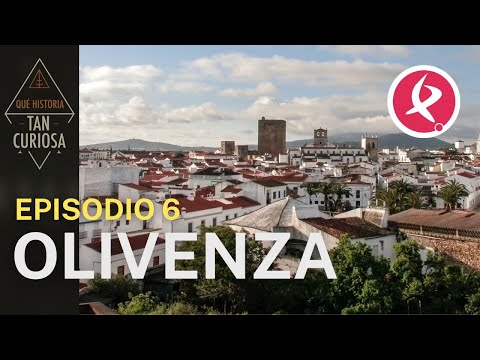
Olivenza lies southwest of Badajoz, near the Guadiana and the Portuguese city of Elvas. Manueline architecture, tiled interiors and historic buildings reveal centuries of Portuguese history in a town administered today by Spain. Beyond the castle, churches, an ethnographic museum, squares and food provide a substantial visit, with further excursions to surrounding villages and the border landscape.
| Municipal population at 1 January 2026 | 11,756 |
|---|---|
| Area of the municipality | ≈ 431.00 km² |
INE Annual Population Census, reference 1 January 2026, released on 24 November 2026. The IGN area covers the whole municipality, not only the built-up centre.
A medieval settlement shaped by two kingdoms
The medieval town developed in the context of Leonese expansion and Templar settlement after the capture of Badajoz in 1230. The commandery of Oliventia preceded much of the monumental architecture visible today.
The Treaty of Alcañices placed Olivenza within Portugal in 1297. Dinis encouraged growth and fortification, and subsequent monarchs strengthened its strategic role. The keep, churches and bridge towards Elvas belong to different phases of that development.
The War of the Oranges and Treaty of Badajoz in 1801 began its period under Spanish administration. This sequence helps explain the shared heritage without reducing the town to a single national identity. Present-day links with Portuguese neighbours are also part of a visit.
The fortress and its medieval graffiti
The alcázar records successive adaptations of a military stronghold. Its imposing keep belongs to Portuguese building campaigns of the fourteenth and fifteenth centuries. Vaulted chambers and an internal ramp system distinguish the ascent from towers reached only by narrow stairs.
The top opens views across the roofs and surrounding country. Although the main sections use ramps, ask about the full access arrangements before planning a visit with reduced mobility.
The tower includes the Medieval Graffiti Interpretation Centre, opened in 2022. Surviving wall drawings and inscriptions introduce the people who used the building. Interpretation helps explain marks that might otherwise be overlooked on the way to the viewpoint.
Everyday history at the González Santana Museum
The Museo Etnográfico Extremeño González Santana occupies historic spaces in the fortress complex and former royal bakery. Its collections explore everyday life, trades and customs in Olivenza and the surrounding region.
Recreated pharmacies, barbershops, schools and workshops place objects in recognisable working settings. They connect agriculture, craft, commerce and domestic life rather than presenting the town only through rulers and wars.
Allow time for the museum itself when planning a castle visit. Summer and winter opening arrangements differ, with additional closures on particular dates. Its timetable should be checked separately from those of the churches.
Two distinct churches
Santa María Magdalena is an important local example of Manueline architecture, the Portuguese late Gothic associated with Manuel I. Twisting columns give the interior a distinctive character. Later decoration adds further layers to the sixteenth-century building.
Santa María del Castillo is a separate church. Built between 1584 and 1627 on an earlier religious site, its three aisles rise to an equal height. Tiled decoration and altarpieces belong to subsequent phases.
The elaborate Tree of Jesse altarpiece is a particularly striking religious genealogy. Tourist information provides details of combined church admission, but visitors should check the spaces included and the applicable opening times.
The Misericórdia and its tiled chapel
Founded in 1501, the Santa Casa de la Misericordia followed the charitable model spread from Lisbon. Its history includes hospital care, shelter and assistance to people in need. The surviving complex incorporates substantial Baroque rebuilding.
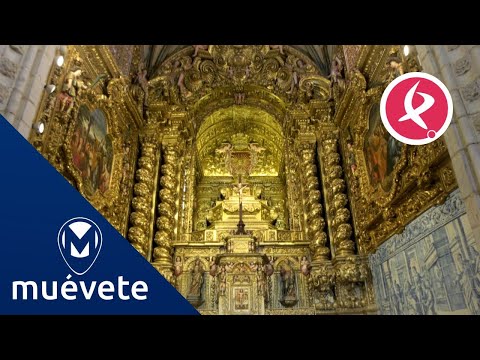
The Espírito Santo chapel is lined with eighteenth-century narrative tiles. Scenes of the works of mercy and biblical subjects connect its decoration to the institution’s purpose. Municipal information attributes the panels to Manuel dos Santos’s workshop in 1723.
Smaller than the principal churches, it nevertheless provides an important introduction to Portuguese tilework. Opening hours do not coincide with the other religious sites on every day, so organise the visit before buying combined admission.
The ruined bridge of Ajuda
Manuel I promoted the bridge of Ajuda in the early sixteenth century to connect Olivenza and Elvas. Granite masonry and defensive remains reveal a strategic crossing as well as a civil engineering work.
Wartime damage, particularly in 1709, broke its central span. The historic ruins are not a through crossing for visitors or vehicles. The present road uses the adjacent modern bridge on the EX-105 route.
An outing here connects the town’s buildings with the Guadiana landscape. Elvas makes a logical continuation in Portugal, with onward routes towards Évora and Lisbon. Follow the modern road crossing rather than treating the monument as part of a usable footbridge.
Squares and surrounding villages
Between Plaza de España and Plaza de la Constitución, paving patterns, white façades and architectural details reveal Portuguese influences in the townscape. These streets remain rewarding between museum opening periods.
The municipality extends beyond Olivenza to settlements including San Benito de la Contienda, San Jorge de Alor, San Francisco, San Rafael and Villarreal. Dehesa, olive groves and cultivated land give these places a rural character. The population figure covers the whole municipality.
San Jorge de Alor is a useful reference for outings towards the Sierra de Alor. Villarreal has its own setting beside the Guadiana. A restaurant or rural property listed under Olivenza may therefore require a separate drive from the principal town.
Where to stay and eat
Hostal Dosca stands in Plaza de la Constitución and also appears in the municipal dining directory. Hotel Rural Olivenza Palacio is on Calle Moreno Nieto, while Hotel Heredero is on the Badajoz road approach. Choose according to whether easy driving access or a central walking base matters more.
The municipal restaurant list includes Casa Maila on Calle Colón and La Rala on López de Ayala. Marina Villarreal is by the Villarreal landing stage, outside the main town, a useful distinction when making a reservation.
Food combines Extremaduran and Portuguese influences. Migas, tomato soups and lamb stew sit alongside regional pastries. Técula mécula, particularly associated with Olivenza, is made principally from almonds, sugar and egg yolks. Its ingredients provide enough reason to try it without relying on an origin legend.
Connections from Badajoz, Mérida and Portugal
The EX-107 connects Olivenza with Badajoz, the larger gateway for rail, bus and other onward services. From Mérida, the approach uses the A-5 towards Badajoz before the regional road. Check the particular departure and return when relying on public transport.
Elvas connects by the EX-105 route and the modern bridge near Ajuda. Travellers coming from Lisbon or Évora can use the Portuguese A6 corridor towards Elvas and continue on local roads. These cross-border cities are relevant gateways rather than an unrelated addition to the itinerary.
Portugal is one hour behind Spain. Remember the difference when combining bookings on both sides. Two days allow time for the town’s churches and museums followed by the river, outlying villages or Elvas, instead of fitting everything into one hurried stop.
Sources
- Turismo municipal: historia de Olivenza
- Diputación de Badajoz: documentación histórica
- Turismo municipal: alcázar y torre del homenaje
- Turismo municipal: interpretación de grafitos
- Turismo municipal: Museo González Santana
- Turismo municipal: Santa María Magdalena
- Turismo municipal: Santa María del Castillo
- Turismo municipal: Misericordia y capilla del Espíritu Santo
- Turismo municipal: puente histórico y paso actual
- Turismo municipal: núcleos del término
- Turismo municipal: cocina y dulces
- Turismo municipal: alojamientos
- Turismo municipal: restaurantes y ubicación
- Junta de Extremadura: conexiones viarias transfronterizas
- INE: Annual Population Census, 2026
- IGN: municipal area