Kempele is a municipality on the southern edge of Oulu’s urban region, where railway and highway connections meet a coastline of shallow bays, bird habitats and working neighbourhoods. It is not a preserved old town arranged around a single square: its character comes from the way a historic church hill, newer residential districts, shopping and business areas, and open outdoor routes sit within the same municipality. Statistics Finland’s population table records 19,702 residents in the whole municipality on 31 December 2025. Nearby municipalities are Oulu, Tyrnävä and Liminka.
A parish story, not an invented ancient foundation
The earliest surviving written mention of Kempele village is from 1568, in a tax list. The parish chronology starts later: in 1688 Kempele received permission to build a preaching house, and the wooden Old Church was completed in 1691. The municipality’s historical account records its own priest from 1741 and full chapel-parish rights from 1774. Local municipal government began in 1867. These dates give a grounded way to read the place: a rural settlement with a documented early-modern history, not a Roman or classical foundation story.
The Old Church is the most distinctive heritage stop. Built under the direction of Matti Härmä, it is one of Finland’s remaining buttressed-support churches. The bell tower dates to 1768–1769, and church painter Mikael Toppelius decorated the walls and pulpit between 1785 and 1795. The paintings and timber structure reward a slow look; the setting matters too. Pine trees, cemetery paths and the church hill place the building within a landscape that once lay on the Ostrobothnian coastal road. The modern Holy Trinity Church, designed by Jorma Teppo and consecrated in 1993, stands nearby. The old and new buildings form a conversation across three centuries rather than competing attractions.
Coast, birds and forest paths
For a different scale, Vihiluoto opens onto Kempele Bay. The municipality describes the bay as rich in birdlife, and the shore has an accessible nature path and bird tower alongside a beach, small-boat harbour and seasonal recreation facilities. In winter, village volunteers may prepare tracks on the frozen sea when ice and weather allow; that is a condition-dependent activity, never a guaranteed route. Spring and autumn are especially rewarding for birdwatching, while the accessible shore path makes the area a gentler outing than a forest trail.
Inland, Köykkyrin outdoor network offers about 36 kilometres of marked routes for walking, trail running and mountain biking, divided into loops of different lengths. A separate 1.8-kilometre children’s nature trail begins at the same recreation area. The trailhead has a service building with daytime public toilets, and the routes include marked rest and fire sites. Check the current map, fire restrictions, weather and surface conditions before setting out. A good half-day combines one short loop with the church hill; visitors with more time can make a separate coastal visit to Vihiluoto.
Everyday Kempele and its changing landscape
Kempele’s economy and visitor experience are shaped by its position beside Oulu and the E8/Highway 4 corridor. The municipality presents Zatelliitti as a central business area: its northern side is oriented toward business-to-business firms, while retail and services are prominent to the south. Hakamaa is another established business area. Shopping Centre Zeppelin, the Kotiseutumuseo, Zemppi Arena, the Sarkkiranta baseball stadium and Pirilä event park show the everyday services and leisure facilities that support residents as well as visitors. Museum and event opening times vary, so check before building a day around them.
Zeniitti adds a new chapter, but it is still being built. The area was a rock quarry from 1989 to 2018 and is now being developed around the former quarry lake, Aurinkojärvi. The project’s official site reported that the lake reached its target level on 1 September 2026 and expects public swimming beaches in summer 2029. Some sports and recreation facilities already operate in the wider district, while other proposals remain plans. A protected burial cairn in the northern area is described by the project as an Iron Age trace; it is evidence of older human activity, not a basis for a grand, undocumented founding legend. Respect the protected site and follow construction-area signs.
Arriving and planning a visit
Kempele has its own railway station in the centre at Asemantie 12. Oulu’s airport is eight kilometres from the centre, and Oulu-region local buses also serve the area. By road, the E8/Highway 4 corridor links the municipality with Oulu and the coast; the station and bus network make a car-free visit possible when schedules line up. Check current train and bus departures, seasonal service, church access and museum hours before travelling. For a first visit, pair the Old Church and church hill with either Köykkyrin or Vihiluoto; allow a separate outing for the other landscape. Use Oulu as a nearby base for wider regional services, and treat Zeniitti’s future facilities according to what is actually open on the day.
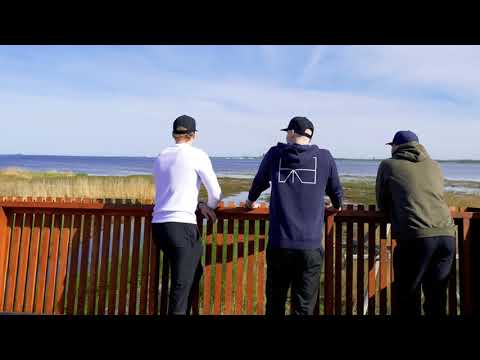 Kempele in three films: coastal nature, trail cycling and a wooden church
 This municipal video takes viewers along the Köykkyrin mountain-bike routes with a local guide. Its value is practical and visual: it shows the forest setting and the character of riding there. Routes and conditions can change, so compare the film with the current route map, signage and weather before planning a ride.
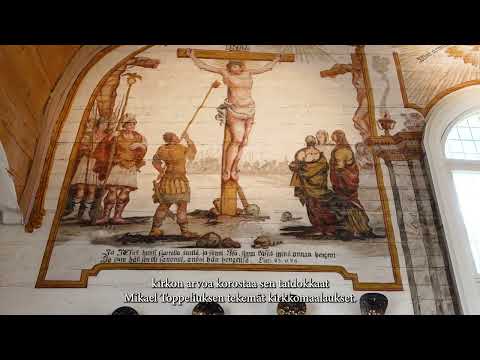 Rauhan Tervehdys presents Kempele’s Old Church through an architectural lens. The video gives the timber building and its setting a closer visual reading, complementing the documented construction dates and paintings by Mikael Toppelius. Church access and opening arrangements are not guaranteed; confirm a visit with the parish.