A town whose origin is visible beside the river
Karkkila stands in western Uusimaa, around the rapids of the Karjaanjoki water system. Statistics Finland counted 8,274 residents in the municipality on 31 December 2025. The town’s identity is unusually legible: nineteenth-century iron production shaped the settlement, work and housing, and the remains of that industrial landscape still sit beside an operating foundry. Karkkila is not simply an open-air museum. It is a working town that has made its industrial past part of everyday public space.
Högfors: from ore to a foundry town
The city’s heritage account traces the Högfors works to iron ore found at Kulonsuonmäki in 1811. Mining began in 1817, and a Senate decision established the ironworks in 1820. The first blast furnace campaign began on 23 July 1823; the last took place in 1915. The local ore proved difficult for forging but suitable for casting, and the works expanded into a foundry, machine shop and enamel works. Housing and services grew around the factory, helping turn a rural settlement into an industrial community. The present Componenta Castings foundry continues production on the site; the city describes it as Finland’s oldest foundry still in operation. That continuity makes the heritage more than a preserved façade.
A walk through work, housing and industrial architecture
The Högfors route is an approximately 2.5-kilometre loop through Fagerkulla, Haukkamäki and Vanhakylä. It uses a mix of pedestrian paths, trails and quiet streets, and is not fully accessible. Along it, the old furnace and ore-roasting kiln explain the process that began here; the Foundry Museum adds tools, products and design history. The workers’ museum is in a short walk away in Fagerkulla, where houses remain on their original sites and interiors show working-class homes from the 1850s through the 1990s. Together with the former factory office, workers’ housing, bridges and park, these places let visitors read the town through its buildings rather than through a detached chronology. Check seasonal opening times: some industrial spaces are visible outdoors, while interiors and guided tours follow a calendar.
Rapids and a route that needs current checking
The river is not just scenery: water power helped make the works possible, and the town’s walking routes follow the same terrain. The city’s approximately 4-kilometre Koskireitti follows the Karjaanjoki through five rapids—Kivistönkoski, Karkkilankoski, Myllykoski, Massakoski and Pitkälänkoski—with bridges, dams, viewpoints and shelters along the way. Some stretches are sandy or paved walking paths and others are softer trail; the route has slopes and no winter maintenance. A hazardous tree forced a short closure in October 2026, but the city reported that the affected section between Myllypuisto and the Vihdintie bridge had reopened on 8 October. Because conditions can change, check the latest city notice before setting out. The Högfors route is a separate heritage loop and gives a reliable alternative for a visit focused on the industrial district.
Services, transport and a practical day
Karkkila’s compact centre has cafés, restaurants, shops and cultural venues, while the museum district and walking routes make a good half-day or full-day visit. The city’s seasonal Topi shuttle links visitor sites in summer; Höökikyyti serves neighbourhoods on weekdays. Regional buses connect Karkkila with nearby municipalities and the capital-region direction, including services to Helsinki. Karkkila has no passenger railway station, so bus is the public-transport choice for most visitors. Check current departures and stops in Matkahuolto’s planner rather than relying on older timetables. A balanced first itinerary pairs the foundry museum and old furnace with Fagerkulla workers’ homes, then follows the river if the path is open. The town’s appeal lies in the close connection between engineering, labour, housing and landscape, all concentrated within a walkable industrial setting.
A living industrial identity
The history of Karkkila is not a distant origin myth. It is supported by the mining dates, furnace records, preserved buildings and the foundry that remains in production. The museum route also makes room for the social history of the workers and their families, not only the owners and machines. Visitors who take time to walk between the factory, worker houses, bridges and rapids can see how a local industry shaped both the built environment and the present town. Confirm museum schedules, access conditions and river-route notices before travelling.
 Karkkila in three films: a welcome, Högfors history and the river route
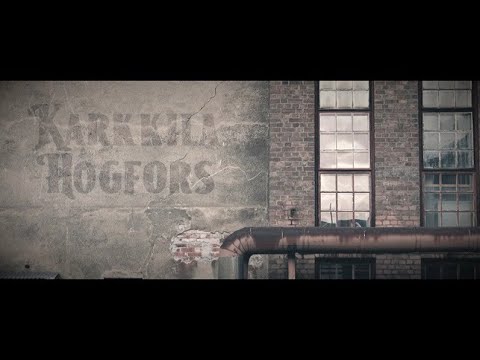 “Karkkilan tarina,” produced by the city, provides a historical overview that complements a walk through the Högfors industrial area. It is useful preparation for recognizing why the foundry, housing and rapids belong to the same urban story. The film is an introduction, so detailed dates and visitor access should be checked in the municipal heritage pages and current museum notices.
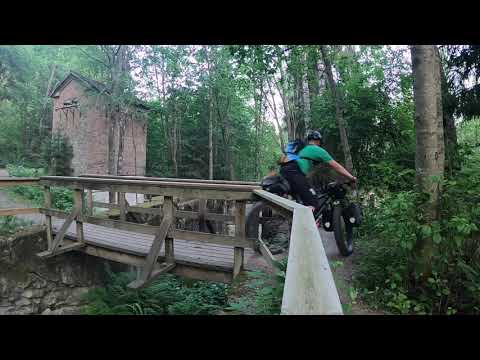 The municipal “Karkkilan Koskireitti 1” focuses on the riverside route and its rapids, offering a visual preview of the landscape beyond the foundry buildings. It complements the industrial history with the watercourse that supported the works and now shapes local walking. Route conditions can change: check the latest municipal notice before setting out, even though the city reported the recently closed section reopened.