Jaca is a town in the Aragón Pyrenees where a Romanesque cathedral and a later star-shaped citadel stand within an inhabited centre. It also serves as a practical base for mountain valleys. Its long history should not be flattened into one date: the municipality describes ancient antecedents, while King Sancho Ramírez made Jaca a key royal centre in the late eleventh century.
Capital, pilgrim route and fortress
The municipality credits Sancho Ramírez with establishing Jaca as a major centre of the early kingdom of Aragón and granting a charter that helped the town’s growth. The Cathedral of San Pedro was built in the late eleventh century and became a reference point for Romanesque art along the Camino de Santiago. Close inspection of its sculpture rewards time inside and around the building. The Benedictine monastery and other religious sites add to the medieval itinerary.
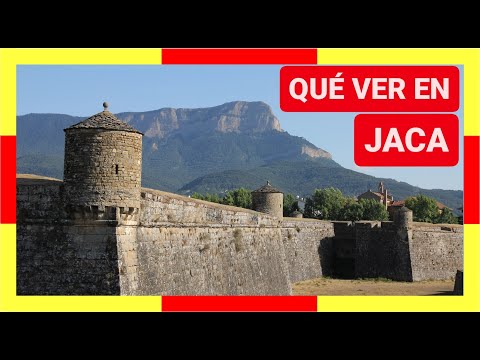
The citadel tells a different story. This sixteenth-century fortress reflects later military concerns, not the original formation of the Romanesque town. The old centre subsequently changed again as walls were removed and new streets and buildings appeared. Municipal material describes early twentieth-century expansion, so a walk between cathedral, citadel and more recent avenues makes Jaca’s successive roles visible. Nearby Canfranc and the Valle del Aragón extend the visit into the mountains.
Staying and arriving
Jaca has a substantial choice of hotels, restaurants and shops, according to its tourism office. It works for a single heritage day or as a base for walking and winter sport, though mountain conditions vary by season. The municipality lists road and bus links with Huesca, Zaragoza and Pamplona, plus rail services through the Aragón valley. From France, Pau and the Somport corridor are relevant road references; do not assume an international train through Canfranc is operating. Check current timetables and road conditions before travelling.