
Heby is a small inland town in Uppland whose identity is written in two kinds of infrastructure: the railway that connected it to wider markets and the brickworks that turned local clay into a regional trade. It is a working community rather than a preserved open-air museum. A walk between the station area, the former industrial landscape and the river gives a more useful introduction than looking for a single postcard square.
A town whose scale matters
Statistics Sweden counted 2,962 people in Heby tätort on 31 December 2023. That figure describes the contiguous built-up locality, not the much larger municipality, which includes separate villages and countryside. The distinction matters when planning a visit: attractions such as the Vittinge roof-tile works and many Upplandsleden stages are elsewhere in the municipality. In Heby itself, the municipality highlights the brickworks museum, while Heby Arena provides a public pool, gym and sports halls. Check current opening times, access rules and prices before setting out.
The railway remains a practical arrival point and a defining part of the townscape. The Uppsala–Krylbo line opened through Heby on 4 August 1873; the station building followed in 1874. A branch toward Enköping and Runhällen made Heby a junction from 1906 until that line closed in the 1960s. The station environment preserves more than the main building: municipal heritage material records goods sheds, loading features, platform edges and traces of the old station grounds. The brick station, with its roof form and Art Nouveau details, belongs to a broader cultural landscape rather than standing as an isolated monument.
Clay, work and the brick legacy
Heby’s local clay was suitable for roof tiles and bricks, and the railway made it easier to move heavy products to customers. The industry brought employment and helped turn a station settlement into a town. The municipal visitor service calls Heby a historic “brick metropolis”; that label refers to a wider industrial story, not to every building being a surviving factory. The Tegelbruksmuseum makes the work tangible through bricks, machinery, tools and photographs. It is housed in a former brewery built from hand-moulded brick, itself a reminder that fired clay entered everyday architecture as well as industry. Vittinge, home to Sweden’s remaining roof-tile producer, lies elsewhere in the municipality and should not be confused with the town.
Beside the museum, Tant Fridas Stig follows both banks of Örsundaån as an outdoor sculpture walk. It offers a quiet way to read the riverside landscape and pair industrial history with a short visit outdoors. The museum’s schedule is seasonal and may change; confirm opening and access arrangements directly, especially outside the published visitor period.
Planning a visit
Heby works well as a compact stop for travellers interested in rail heritage, local industry and a slower look at central Uppland. The municipality’s hiking information covers the Upplandsleden and other walks across the wider area, but routes begin in different settlements; check the exact stage, distance, surface and transport connection before choosing one. UL serves the region and lists Heby station and Heby torg in its travel information. Use the operator’s current journey planner rather than relying on an old timetable. If you are driving, plan around the town’s signed roads and verify parking at the destination.
Allow time to compare the station’s working history with the museum’s objects and the river path. Heby’s appeal is not a dense monument trail; it is the way a railway, clay industry and everyday civic services shaped a modest town. Opening hours for the museum, arena, transport and any seasonal attractions can change, so confirm them before travel.
 Three films from Heby: brick heritage, museum and town life
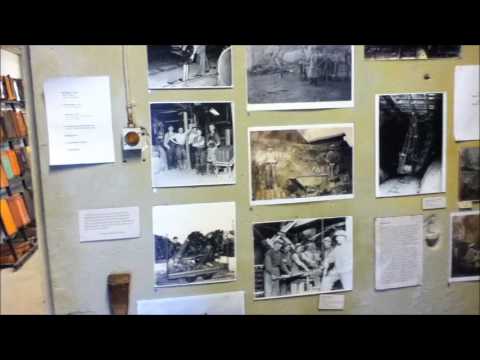 Tegelbruksmuseum i Heby is an 18:48 upload from the same museum channel, published 22 September 2013. Its verified title identifies the Heby brickworks museum as the subject; the description points viewers to the museum website but gives no scene-by-scene account. That makes it a distinct museum-focused choice alongside the history-titled film, without assuming details that are not supplied in the metadata. Confirm current opening arrangements separately, since a film’s upload date says nothing about present access.
 Alexander Williamson’s 6:23 Sverigeresan: Tegelstaden Heby was published on 4 April 2025. Its checked description and chapter labels range beyond the museum: they name Folkets hus, the square, library, arena, Härvstaparken, Sjömossen, the local heritage farm, Västerlövsta Church and the station. This gives viewers a compact checklist of places to explore, rather than proof that every venue is open. Check the relevant operator for hours and access before travelling.