A hill town above the vineyards
Castelvetro di Modena lies about 18 kilometres south of Modena, where vine rows mark the slopes and the old centre gathers around two towers. The municipality is larger than the walled core in most photographs: it includes Levizzano Rangone, Solignano, Puianello and other settlements in the countryside. A municipal ordinance records 11,063 residents across the whole comune on 31 December 2023. That dated figure is not a current count for the historic centre alone.
The old centre, also called the Castello, is compact enough to explore on foot, although its lanes climb and descend with the terrain. The appeal is more than a view over the plain. Castelvetro brings together a former defensive settlement, a checkerboard square shaped in the twentieth century, a Renaissance court memory and a working wine-growing landscape. Walk slowly: narrow passages and sudden openings over the hills reveal how the town fits its ridge.
Early traces and a name that invites caution
Etruscan finds from the Galassina and Nosadella burial grounds are now held largely in Modena’s archaeological museum. Roman-period villas, farms, kilns and burial sites have also been recorded across the territory from the second century BCE onward. A document of 988 uses the name Castro Vetere. Local visitor history connects this with Castrum Vetus and suggests that the upper settlement may have been a Roman camp because of its regular layout. That is an interpretation of the name and plan, not proof of a Roman foundation. The evidence shows long habitation; the exact origin of the walled town is less certain.
The local account says scholars consider Castelvetro a castle by the eighth century and an important court by the early ninth. A siege in 1326 brought destruction; from 1330 the Rangoni family made the town the centre of their fief. Torquato Tasso stayed at Palazzo Rangoni in 1564, a recorded episode. The further claim that he found inspiration here for verses in Canto VII of Gerusalemme Liberata belongs to local tradition. French forces occupied the area in 1796, the Este rulers returned in 1815, and Castelvetro regained municipal autonomy in 1859.
The checkerboard square is a modern civic landmark
Piazza Roma is the centre of public life and the stage for the Dama Vivente, but its open form is newer than the surrounding towers. Municipal records say buildings on the north side of the old Castello were demolished in 1934–35 to create a terrace above the valley. The checkerboard paving followed in the 1950s; works in the 1970s established its present arrangement. This is a meeting of periods: the medieval town edge, twentieth-century design and a living event in which costumed players become pieces on the square.
The Torre dell’Orologio is dated by the local guide to the eleventh or twelfth century. The Torre delle Prigioni, built in the second half of the sixteenth century, rises more than twenty metres and preserves prisoners’ graffiti. A floor opening is said locally to connect with an escape tunnel, a story best left as lore. Nearby, the parish church of Santi Senesio e Teopompo was built in 1897 and has a 48.5-metre bell tower. Palazzo Rangoni stands opposite; its rooms and Tasso’s documented visit link the centre to the town’s Renaissance history.
Castles, a wine museum and smaller places
At Levizzano Rangone, a walled castle encloses the central Torre Matildica. The upper rooms known as the Stanze dei Vescovi retain Renaissance frescoes, while a loggia opens toward vineyard-covered hills. Rosso Graspa, the wine and rural-society museum, occupies the ground floor. Its objects and interpretation follow work with grapes, land and wood, making it a useful way to understand the agricultural setting beyond the postcard image. The 2026 visitor page lists weekend afternoon openings in season, free admission and audio guides, with seasonal exceptions; check the current calendar before going.
Other stops broaden the visit. The Romanesque Oratory of San Michele Arcangelo is a small, restrained building in Levizzano. The Sanctuary of Puianello, begun in 1716, has a Baroque plan and a painting of the Madonna della Salute attributed to Giacomo Cavedoni. Rosso Graspa also points visitors to walking itineraries outside the museum, including Anello dei Colli, Crinale di Via Lunga and Via Romea alle Tre Croci. Ask locally about access and conditions rather than assuming every path suits every season.
Wine, food and a living countryside
Lambrusco Grasparossa is Castelvetro’s most visible agricultural signature. The Modena visitor service also identifies Trebbiano, used in the production of Modena balsamic vinegar. Vineyards and food traditions form part of the current rural economy as well as its scenery. The Acetaia Comunale, founded in 2002 and managed by local master tasters, maintains two sets of seven small barrels for traditional balsamic vinegar. Visits are organized through local information channels, so check whether one is available on your dates.
Modena’s broader food culture appears in balsamic vinegar, Parmigiano-Reggiano, filled pasta and gnocco fritto, alongside local Lambrusco. The September grape and Lambrusco festival brings producers and tastings into the town, while other annual events link food with walking, cycling and local culture. Programmes change from year to year. Plan winery or museum visits in advance, then leave time for the centre instead of assuming every venue follows the same weekly hours.
Getting there and planning a visit
The regional castles portal lists SETA bus 740 between Modena and Castelvetro and line 640 toward Vignola. Departure patterns depend on date and school calendar, so check both directions with the operator before travelling. By car, follow current directions from Modena or the A1 Modena Sud area and allow for a walk from parking up the steep historic streets. The regional tourism portal places Castelvetro about 18 kilometres south of Modena.
The Visit Castelvetro information point is at Piazza Roma 5. Ask there about guided walks, the self-guided AudioPen route, food itineraries and current events. The official visitor portal lists hotels, B&Bs, agriturismi, restaurants and shops across the municipality. Dama Vivente and Festa a Castello alternate in September: the living draughts event falls in even years and the Renaissance banquet in odd years. The current calendar lists September 2028 and September 2027 as the next editions; confirm dates and booking requirements before planning around them.
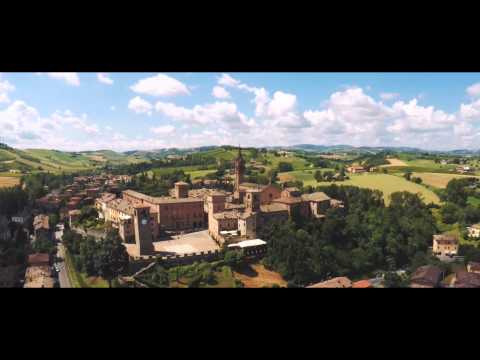 Castelvetro in three views: town, wine and rural museum
 RossoRubino’s five-minute feature centres on Lambrusco Grasparossa and Castelvetro’s wine-growing identity. The channel description foregrounds local producers and quality-led production, making the film a useful companion to a visit focused on vineyards and food culture. It reflects a wine-sector perspective; on its own, it cannot verify appellation rules, production claims or whether a winery is accepting visitors.
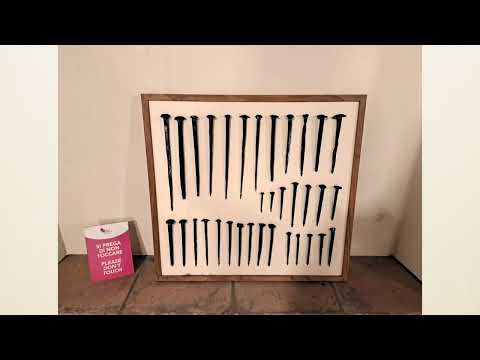 This seven-minute feature introduces Rosso Graspa, the wine and rural-society museum inside Levizzano Rangone Castle. The official Terre di Castelli page identifies it as a film made by students from Istituto Paradisi in Vignola for a national school cinema project. That educational, place-based perspective makes it a helpful preview of the museum. Check the museum’s own current calendar separately before travelling.