a medieval town, coal heritage and a new life for the mine
Beringen, in Belgian Limburg, is larger and more varied than its historic centre alone. Beringen-Mijn, Beverlo, Koersel and Paal have distinct histories and everyday roles. A stay can connect medieval urban development, twentieth-century coal mining and a landscape finding new uses after industrial closure. These geographical distinctions also matter for anyone considering a longer stay or a move to the area.
| Municipality | Beringen |
|---|---|
| Municipal registered population at 1 January 2026 | 49,026 |
National Register figure for the whole municipality, including its other settlements. It is not a count of the historic village alone.
A town older than the colliery
Beringe appears in written records in 1120. The area was associated with Corbie Abbey, with the counts of Loon exercising medieval authority. In 1239 Count Arnold IV confirmed urban liberties following a Liège model. This was a significant administrative event within an existing settlement.
Historical and archaeological research helps trace the earlier town. Walls, ditches and gateways largely disappeared through subsequent changes. Walking the centre therefore reveals an evolving place, with older structures beneath a later streetscape, rather than a completely preserved medieval enclosure.
Understanding the different centres
Beringen-Centrum and Beringen-Mijn are separate destinations. One developed from the medieval town; the other grew around a major industrial operation and its residential environment. A town walk and mine visit can fit into the same day, with travel between them.
Paal, Koersel and Beverlo are also part of the present municipality. An accommodation address described as Beringen may be outside the historic core. For a longer stay, the specific neighbourhood determines everyday journeys to work, schools, shopping and the railway station.
Coal and a transformed economy
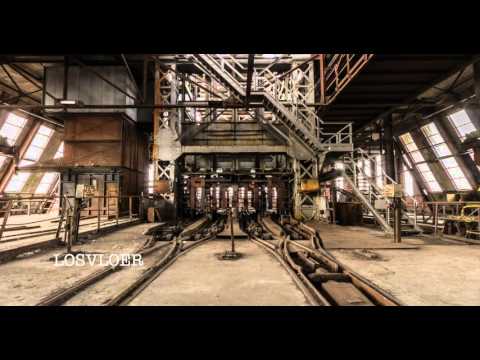
Coal production at Beringen began in 1922 and ended in 1989. Shafts, machinery, railway connections, workshops and housing developed around the enterprise. Workers from different backgrounds helped reshape the region’s social life.
The protected buildings form an industrial system. Headframes, winding houses, power and water facilities each served the production process. Understanding their relationship makes the site more meaningful than treating a prominent tower as an isolated landmark.
Visiting the Mijnmuseum
The mining museum introduces the human experience of work above and below ground. An exhibition visit can be combined with a guided underground simulation. This reconstructed environment explains conditions and technology without taking visitors down a former working shaft.
Reception and tickets are at Visit Beringen on Koolmijnlaan. Check departure times and booking arrangements for the guided element. The published 2026 calendar includes a year-end closure from 24 December 2026 through 2 January 2027, particularly relevant when planning a winter trip.
The changing role of be-MINE
The name be-MINE brings together heritage, sport, recreation and shopping on the former colliery site. Its reuse illustrates how an industrial workplace can become part of contemporary daily life. Visitors arrive for different reasons, from history to activities in converted buildings.
Operators have separate entrances, charges and opening arrangements. The museum, climbing, swimming and diving are individual experiences. Choose the main activity first, then organise a walk and meal around it, rather than expecting one admission to cover the entire site.
Two spoil heaps, different outings
The Avonturenberg turns a former mining spoil heap into an adventure landscape. Steps, ropes, climbing structures and walking paths ascend through a large field of poles. Views connect the industrial buildings with residential districts and the surrounding green landscape.
The other spoil heap has more of a nature-area character, with vegetation and open spaces. Visit Beringen provides information about guided climbs. Choose according to the group’s ability: the play slope and nature walk offer different experiences. Mountain bike lines and a skills area add a separate specialist activity.
Diving and family activities
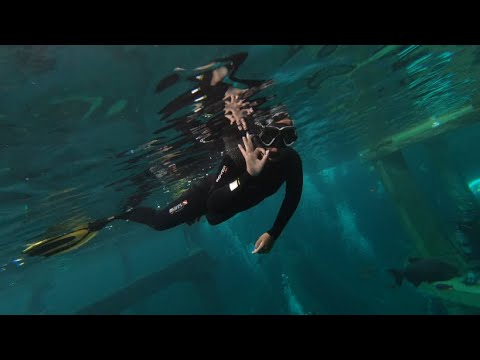
TODI is an indoor snorkelling and diving centre with tropical freshwater fish. The large basin reaches ten metres deep and contains underwater scenery. Visitors without full diving qualifications can ask which introductory or snorkelling activity suits them.
Individual booking conditions apply. The brasserie provides a window into the underwater environment. Climbing facilities and a swimming pool elsewhere on the wider site make it possible to balance a heritage visit with a more active family day.
Walks, cycle routes and the mining neighbourhood
Local routes range from walks around the mining environment to longer outings in the landscape. The cycle network allows a day with several stops. Exploring the cité, the residential mining neighbourhood, adds the housing side of industrial history. Life extended well beyond the shafts.
Distinguish a signed walk from a cycle route or technical mountain bike trail. Distances alone do not describe gradients on the spoil heaps or the surface underfoot. A relaxed itinerary can combine a short heritage route, lunch and one viewpoint.
Where to stay
B&B Burgemeesterhuys stands on Burgemeester Geyskensstraat near Beringen-Centrum. The tourist office describes three rooms, breakfast and private parking. Its small scale and location suit visitors who want a base near the old town.
Mezzo Hotel & Business is on Paalsesteenweg in Paal, close to the E313. It offers hotel accommodation, meeting facilities and parking. This location is useful for driving and business journeys. The two properties belong to the same municipality but provide different settings for an evening on foot.
Meals and locally brewed beer
Bistro Belge is in the Mezzo building, providing an option to combine a hotel stay with a meal. Confirm the days when lunch and dinner are served. The mining museum’s café offers a simpler break during a heritage visit.
Brewery and Grand Café Remise 56 occupies the former tram depot built in 1907 on Albert I-laan in Koersel. Beer brewed on site accompanies its food. A meal can therefore add another piece of transport and industrial history. Brewery tours have their own booking arrangements.
Getting here and making daily journeys
NMBS identifies Beringen station at Koerselsesteenweg/Motstraat, with ticket machines, bus connections and Blue-bikes. Use the rail planner for the actual journey from Hasselt or another interchange, then plan the onward section to the mine or accommodation.
By road, Beringen lies on the E313 corridor between Antwerp and Hasselt. Approaches from Brussels can use Leuven and the Lummen junction area. Anyone planning to live locally should try their normal weekday commute. Several centres and a railway station create options, while the precise address remains decisive for everyday travel.
Sources
- Stad Beringen: ontstaan en middeleeuwse stadsrechten
- Onroerend Erfgoed: archeologisch en historisch onderzoek van de stad
- Agentschap Onroerend Erfgoed: beschermde steenkoolmijn
- Visit Beringen: museum, bezoeken en kalender 2026
- Visit Beringen: herbestemming van de mijnsite
- Visit Beringen: Avonturenberg
- Visit Beringen: twee terrils en hun verschillende functies
- Visit Beringen: snorkelen en duiken bij TODI
- Visit Beringen: wandel- en fietsroutes
- Visit Beringen: B&B Burgemeesterhuys
- Visit Beringen: Mezzo in Paal en Bistro Belge
- Visit Beringen: brouwerij en Grand Café Remise 56
- NMBS: station Beringen en aansluitingen
- Belgian National Register: municipal figures, 1 January 2026