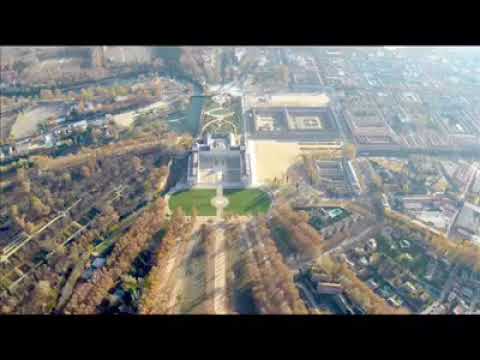
Aranjuez is a town as well as a royal landscape. The Tagus and Jarama meet nearby, and the palace, gardens and planned streets grew from a long relationship between court life, water and cultivation. The UNESCO designation covers the cultural landscape, not merely one building. Arriving from Madrid, it is worth leaving time for the town beyond the palace gates.
Royal site and working landscape
Patrimonio Nacional traces the royal site from land associated with the Order of Santiago through its development under Philip II and subsequent monarchs. The palace was altered over centuries, so its rooms and façades should not be read as the product of one reign. The adjoining Parterre and King’s Garden show formal design close to the residence, while the Island Garden occupies land embraced by the Tagus. The walk between them reveals how river channels, shade and paths shaped an outdoor court.
The wider cultural landscape includes avenues, cultivated ground and the town itself. A visit can connect palace interiors with an unhurried garden walk and the centre’s everyday cafés and markets. Gardens change with season and weather; paths near water can differ in comfort during summer heat. Check current palace entry and garden hours before departure, since they need not match.
Making a longer visit
Aranjuez is connected to Madrid by regional rail and road; check the current train station and service when planning the final walk to the palace. Toledo is another useful regional reference by road. The town has hotels and restaurants, so an overnight stay allows more time for the gardens and the surrounding landscape. An accommodation address in the urban centre makes the palace and main garden walks simpler without a car. The local tourism office publishes routes for individual garden spaces.