A town arranged around its springs and river
Vichy is easiest to understand on foot. Its thermal quarter sits close to the Allier, while the older town, covered promenades, parks and hotels form a walkable sequence rather than a single enclosed resort. INSEE counted 25,115 municipal residents in the commune in 2023; that reference figure became effective on 1 January 2026. Vichy is therefore both a lived-in town and a destination whose public spaces were shaped over centuries by visitors seeking the waters.
The story begins earlier than the grand hotels. The municipal history traces a Gallo-Roman settlement around 52 BCE beside a crossing of the Allier and mineral springs. It describes a prosperous first and second century, when Vichy produced ceramics, shipped goods by river toward the Loire and captured several springs for bathing. Archaeological finds include votive offerings to Roman and Gallic deities, evidence of healing practices rather than proof of every later legend. The city associates the name Aquis Calidis with the late third century. Its proposed link between Vichy and the Roman personal name Vippiacum is an etymological possibility, not a settled origin.
From a medieval crossing to a modern spa town
The Allier crossing remained strategically useful. The municipality places a seigneurial castle and the growth of a new town in the eleventh century; Louis II of Bourbon fortified Vichy and founded a Celestine convent in 1410. Royal recognition of mineral waters followed in 1605. A turning point in the modern town came with Napoleon I’s 1812 decree to create and landscape the Parc des Sources. Napoleon III then made five cures between 1861 and 1866. Under his influence, riverbanks were embanked, marshy ground gave way to parks, and roads, chalets and civic buildings reshaped the station.
The Parc des Sources still joins these layers. Its covered galleries, source pavilions, kiosks and nearby casino and opera buildings made the act of taking the waters part of urban life. The municipality reports that a major restoration of the park ended in June 2026 after almost three years. Around it, façades move from formal spa architecture to Art Nouveau and other early twentieth-century styles. A walk can take in the opera, the thermal quarter, the chalets along Boulevard des États-Unis and the broader parks beside the Allier. The historic centre is not a stage set: cafés, shops, public services and current thermal facilities continue to use this same urban fabric.
Thermal life, public memory and the present-day economy
Water is still economic as well as architectural. INSEE reports that Vichy welcomed 6,590 conventionally referred spa guests in 2023, making it the region’s fourth-ranked spa town that year. In the wider Vichy agglomeration, tourism represented about six percent of salaried employment, and Vichy itself held around 40 percent of local jobs. Those are different geographic measures, but together they show why the spa, health services, events and visitor businesses remain part of a working regional centre.
Vichy also carries a difficult national history that belongs in any serious visit. The French government moved here on 1 July 1940. On 10 July, the National Assembly met in the present-day opera building and granted constituent powers to Philippe Pétain; the regime that followed was authoritarian, antisemitic and collaborative. The city’s municipal history and guided walks interpret buildings used during those years. Naming the regime after Vichy should not erase the town’s longer history or its residents, but neither should the thermal image be allowed to hide what happened here.
Getting there and making a thoughtful route
The railway station sits near the bus station and the centre. SNCF Connect currently lists direct services between Clermont-Ferrand and Vichy, about 55 kilometres apart, with the fastest journeys taking roughly 29 minutes in the timetable checked for this guide. Paris and Lyon also have direct or through rail connections, though the route and duration depend on the service. Check the actual day’s schedule before travel. A first walk can connect the station, Parc des Sources, the opera and the river parks; leave separate time for a guided historical visit and for the larger streets of villas. Check opening hours for thermal facilities and the opera, since being in a spa town does not mean every historic interior is freely accessible.
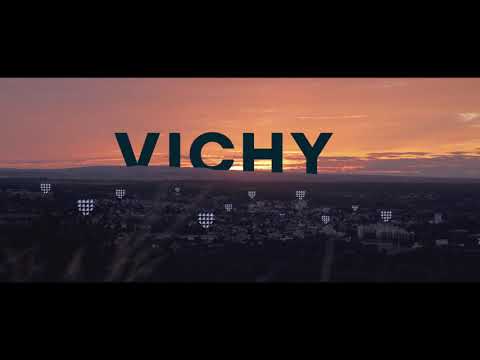 Vichy, trois façons de découvrir une ville d’eaux
 This documentary places Vichy within a wider portrait of the Allier. Its regional framing is useful for visitors deciding whether to pair the spa town with other stops in the department. The film is an editorial overview, not an official service notice, so practical details and schedules should be confirmed with local providers.
 LBF Walking Tours presents Vichy through a filmed walk, offering a different pace from a promotional film or regional documentary. A walking video can help viewers anticipate the scale and feel of an urban visit, while the actual route and access conditions remain those found on the day. Check municipal information before planning around a particular building or facility.