Vårgårda is a small railway town in Västergötland whose everyday scale is part of its appeal: the station, shops and public services sit close to fields, woodland and open recreation ground. Statistics Sweden counted 6,198 residents inside the mapped statistical urban locality on 31 December 2023, over 565 hectares of land. That is the figure for the built-up tätort, not for the much larger municipality around it.
A town that grew around the railway
The name predates the present town. In 1840 Fredrik Sundler bought the Wårgårda farm in Siene parish; the municipality’s own history explains that the settlement now called Vårgårda grew after a station was built there. The western main line opened for traffic between Gothenburg and Vårgårda on 16 December 1857. Shops and institutions followed quickly: the first merchant began trading in 1858, a library opened in 1859, and a bank followed in 1864. These are documented local milestones, not a foundation legend. A railway-side grain and livestock market developed later, while the old church village of Kullings-Skövde preserves the older rural layer beside the station settlement.
The railway also changed how local work could reach wider markets. Vårgårda’s oat mill was founded in 1871, and a horse-drawn tram carried grain from the mill to the goods yard. Joinery, a lighting factory and several textile firms joined the town’s industrial story in later decades. Today Vårgårda is still a service and employment centre for the surrounding countryside, with a business community supported by the municipality and the long-running Center of Innovation network. The present economy is broader than its historic mill and textile trades; the local business register is the right place to check current firms.
Low-rise streets and an unusually large meeting ground
Vårgårda is not a monumental old town. Its character comes from the sequence of station, compact centre, neighbourhood streets and green edges. The municipal building inventory records the original 1857 station building, later replaced, and traces successive housing and commercial periods across the locality. The east side opens towards Tånga Hed, a former military exercise ground that became a civic gathering place. The Göta Artillery Regiment trained there from 1862 to 1962; the field was later used by the I 15 regiment and is now a landscape for recreation and events. Old military buildings, including an officers’ mess, keep that chapter visible.
Beside the event grounds, Tånga Hed nature reserve protects a rare, heavily grazed heath landscape close to town. The wider Tånga site now brings together a campsite, hostel, restaurant, bowling, outdoor pool, sauna, beach volleyball, adventure golf, a 4H farm and meeting halls. Concerts, fairs, markets and sporting events use the grounds at different times of year. The reserve is quieter: follow its signs and leave the grazing landscape as you found it.
Cycling heritage and routes into the countryside
Cycling is part of Vårgårda’s modern identity. The four Fåglum brothers became world-class riders, and the town formerly hosted a women’s World Cup race. A local exhibition, “Dessa fantastiska Fåglum,” tells the brothers’ story; the regional Ljungleden cycle route also passes through the municipality. It runs 170 kilometres between Gothenburg and Falköping, mostly on asphalt and low-traffic roads, with some gravel. Check the route map and surface notes before choosing a bicycle.
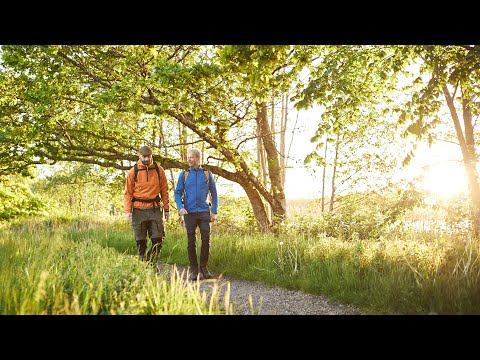
Walkers can finish a longer journey here on the Gotaleden, a 99-kilometre trail between Gothenburg and Vårgårda. Its final Horla–Vårgårda stage is 12 kilometres, mainly along gravel roads through rolling countryside. The published route guide places the stage start at Storsjön near Horla and describes a weekday bus connection from Vårgårda; check the current timetable and trail conditions before relying on it. For shorter outings, the local visitor guide lists walks, wooded reserves, swimming places and heritage sites around the town. It also labels the claimed 1251 battle at Herrevadsbro as something that is said to have happened there: keep that local tradition separate from the better-documented railway and industrial chronology.
Museum, services and planning a visit
Vårgårda Museum is housed in the former Tumberg primary school and presents the area’s history from prehistory to the present, including the station-era growth of trade and industry. Its 2026 visitor listing gave Sunday opening from 4 May to 28 September, 14:00–16:00, with contact by phone for visits outside that season. As those dates have passed, confirm any later opening before setting out. The centre also serves as the municipality’s everyday hub for shops, schools, library and culture. The station lies on the western main line; regional buses and trains make neighbouring centres reachable, but departures and connections change. Confirm transport, event dates, pool season and attraction hours before travelling.