A municipality remade by water
Polvijärvi sits between two lake systems, Höytiäinen and Viinijärvi, in North Karelia, about 40 kilometres from the regional capital Joensuu according to the municipality. Its Finnish nickname, Poltsi, appears in local visitor material, while the municipal word huljakka describes the spaciousness of the countryside: fields, forest ridges, villages and water are spread across a large rural area. Statistics Finland counted 3,942 residents throughout the municipality on 31 December 2025. More than a thousand summer residents return each year, and the municipality says the area has over a thousand cottages. Polvijärvi therefore has a seasonal rhythm, but it is not a resort built only for visitors. Farms, service businesses, industry and small village communities remain part of its everyday life.
The landscape that visitors see today is closely linked to a dramatic event in 1859. During a project to lower Lake Höytiäinen, the lake broke out uncontrollably. The municipality says its area shrank by roughly a third and that thousands of hectares of cultivable land emerged from the water. Polvijärvi was established in 1876 on these newly exposed lands. The story is striking because it is documented environmental change, not a legend about a vanished city: the altered shoreline changed where farms could grow and where communities took shape. A memorial to the lowering of Höytiäinen stands opposite the municipal offices.
Two wooden churches and museums that open by arrangement
Polvijärvi's village centre has two churches with separate histories. The Lutheran wooden church was completed in 1881. The Orthodox wooden church, dedicated to St John the Baptist, dates to 1914. Municipal visitor information says that its bells and many of its sacred objects were gifts from Tsar Nicholas II and were made in St Petersburg. Together they reflect the different religious traditions of the region without needing to be folded into a single story.
The local museum scene is small but unusually varied. The object museum above the library uses a classroom, a former village shop, a camera collection and Arabia ceramics to present local history. On Museonmäki, the farmhouse museum brings together a late-19th- and early-20th-century farm dwelling with outbuildings, including granaries, a smithy, a threshing barn and a windmill. Most of the buildings came from Kinahmo's Lappalanmäki; the main house was moved in 1965 and the museum opened in 1971. A music museum holds more than a hundred instruments and around 2,000 pieces of sheet music, from mandolins and banjos to harmoniums and violins. These are community-maintained collections rather than large daily museums: the object and music museums are open by appointment, while the farmhouse museum is seasonal and also requires advance contact.
For a different perspective on the area's 20th-century past, the local war heritage room displays wartime objects and a model dugout. The town's cultural stops work best when visitors plan ahead and arrange access directly with the local museum association.
Walking through old mines, woodland and a local legend
The Solan nature-and-culture trail is one of the clearest ways to see how several histories overlap in a short walk. The route is about 5.3 kilometres and passes Hovivaara nature reserve, a Stone Age settlement, a clear pond formed in an old mine and a natural woodland church on a hill. A visitor can move from traces of prehistoric activity to extractive industry and then into a quiet forest setting, all in a single circuit. The municipal guide also describes a 14-to-16-kilometre year-round route between Polvijärvi, Kuorevaara and Huhmarinen, with a ski-track connection in winter. Check the current map, weather and maintenance information before choosing a route.
Huhmarisvaara offers a view over Höytiäinen and preserves a gun emplacement from the Second World War. Near the lake, Hiekkasaari is a landing and picnic destination with a lean-to and toilet, but it is reached by one's own boat; the municipality does not describe a public boat service. That distinction matters when planning a day in a lake landscape with scattered access points.
One landmark is presented honestly as a story rather than an established historical event. The municipal visitor brochure says that, according to local legend, smith Adam Wallius flew from Lentokivi in a homemade flying machine in 1871. It is a memorable tale attached to a real named place, but the source does not verify a flight. Another old structure, Karnukka watermill, is dated to the 18th century and is cautiously described as probably the municipality's oldest building. Both places show how local heritage can include imagination and evidence side by side.
Farming, talc and the practical life of the villages
Agriculture remains visible in Polvijärvi's food culture and working landscape. The municipality describes the area as the region's largest organic producer and points visitors to farms selling local products such as berries, bread and smoked meat. Forestry and local services also matter, while a less obvious part of the economy is mineral processing. The municipality's business profile says around 340,000 tonnes of ore are mined each year and that Elementis Minerals separates talc at its local plant for use in many products. This is an industrial operation, not a visitor attraction, but it explains why Polvijärvi's rural economy combines fields, small businesses and substantial production.
Visitors will find groceries, a pharmacy, local food and accommodation in the centre and villages, with more than a thousand summer cottages adding seasonal demand. Polvijärvi Days brings residents, summer residents and neighbours together in July, and local associations contribute to village events and cultural life. The municipality's 2026 guide lists accommodation, meals, small shops and outdoor facilities around the area; business schedules and seasonal services should be checked before a trip.
Getting there from Joensuu
Polvijärvi is reachable by bus from Joensuu. The municipality says buses run daily in both directions and locates the village-centre stop behind the library at Polvijärventie 4. Check the JOJO route planner for the exact departure, return journey, fare zone and date, since timetables and routes change. By car, the municipality places the town roughly 40 kilometres from Joensuu; regional roads connect it with the wider network. The nearest city is close enough for a day trip, but reaching outlying trailheads, lakeside landings and villages is easier with a car. Check access and opening arrangements, especially for seasonal museums and boat-only Hiekkasaari.
Polvijärvi is most rewarding when read through its layers: a lake transformed by a documented 19th-century breach, farms on the newly exposed land, local museums cared for by associations, and newer industry working alongside agriculture. Spend time in the centre, arrange a museum visit, then choose a walk or viewpoint that fits the day. The municipality's own stories do not need embellishment: the real history of Höytiäinen is dramatic enough, while the flight from Lentokivi can remain what it is—a local legend attached to a place visitors can still seek out.
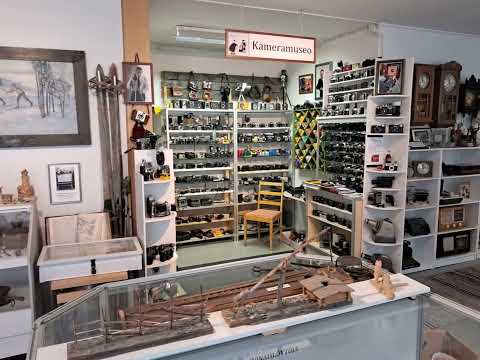 Polvijärvi in three videos: local history, village life and lake country
 Antti Soininen's title records a rural heritage procession in Polvijärvi on 25 July 2026. The municipality's recent coverage of Polvijärvi Days describes a historical countryside procession as part of the local programme, making this a time-specific glimpse of public culture rather than a permanent attraction. It complements the museum video by shifting from preserved objects to a community event. Check municipal announcements for future dates; the video does not promise that the procession recurs on the same day each year.
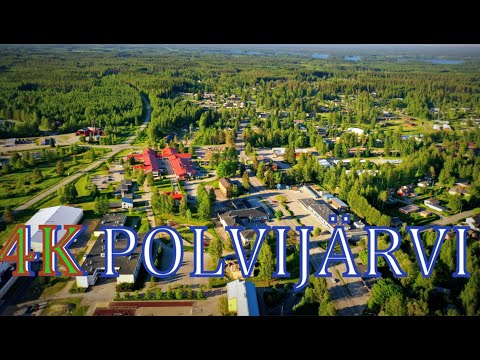 Mraknup's title, 'Polvijärvi from the air, 4K drone video,' offers an aerial overview of the municipality. It gives the three-video selection a broader scale after the first two entries focused on a museum and a town event. The municipality describes Polvijärvi as a landscape between Höytiäinen and Viinijärvi, with villages and forested areas spread around the centre. Use the film as a visual orientation, then consult official maps and visitor information for exact locations, access and current services.