A town between rails, water and woodland
Osby is a working town in northern Skåne where the railway corridor meets the long, narrow lake of Osbysjön. The station, main streets, Centralparken and the cultural landmark BRIO Lekoseum belong to one walkable centre. A short outing leads to lakeside paths, wooded slopes and small beaches. Its character is practical rather than theatrical: transport and manufacturing have shaped the town, while nature remains close enough to enter an ordinary afternoon.
Statistics Sweden counted 7,754 residents in Osby’s statistical locality (tätort) in 2023, for the SCB-defined built-up area on 31 December that year. This is not the population of the whole municipality. Osby is its municipal centre; the surrounding municipality also includes smaller settlements and extensive rural areas.
From Gamleby to the station streets
Municipal planning history places the older settlement at Gamleby, around Drivån where the stream meets Osbysjön. The church remained at that earlier site. A municipal document also identifies the nineteenth-century school area and the Dufveska schoolhouse, dated 1881. These are documented landmarks, but they do not establish an exact founding year for the town.
A more visible change came with the Södra stambanan railway. The municipality dates its arrival in the district to the 1860s and describes how trade and the commercial centre shifted toward the station. Workshops and industry followed. The same planning document suggests the place-name may indicate settlement continuity more than a thousand years old. That is a linguistic and historical interpretation, not an archaeological date for the present town.
Osby’s best-known industrial story is BRIO. The Lekoseum foundation timeline records Ivar Bengtsson’s move to Osby in 1902, the first locally made “Osby horse” toy in the company catalogue in 1907, and use of the BRIO name from 1909. The company connected local woodworking and toy production with international markets. The former BRIO complex makes that history tangible, although its role has changed: the independent Lekoseum foundation acquired the building in 2023 and moved the museum there in 2024.
Making, memory and play
BRIO Lekoseum, at Briogatan 1, is more than a display of familiar toys. Its exhibitions follow the company’s development and the culture of play, with opportunities to try things as well as look. The museum traces the story from Ivar Bengtsson and wooden toys to later products; current themes include BRIO, Barbie, Märklin, Steiff, Alga and hands-on play spaces. A minerals and fossils collection adds a geological counterpoint to the area’s woodworking and stone trades. The museum publishes current opening periods, tickets and guided-tour details on its visitor page; check before setting out because hours and special openings change.
For a pause, Centralparken sits directly outside the station. The municipality describes tree-lined paths, plantings, a fountain, pond, sculptures, benches and a covered stage. South of the centre, Prästängen and Sjöängen form a larger green space beside the lake and Drivån; a walking and cycling path follows part of the stream bank. On the eastern shore, Eksäter has old oaks, benches and views across the water. Klinten, southeast of the centre, combines an illuminated exercise track, outdoor gym and an outlook over Osby and the lake.
Paths and water close at hand
Osbysjön gives the town a natural edge without separating it from the centre. The municipal map marks a 2.2-kilometre loop at Klinten and two routes in the Näset nature reserve, 1.8 and 1.4 kilometres. It notes that only the first 400 metres of each Näset route suit a pram. A separate, unmarked 1.6-kilometre connection is described as wheelchair-suitable; check surfaces and wayfinding locally. Näset is a wooded peninsula with a bird tower and resting places. The municipality lists two bathing areas at Osbysjön, including Spegeldammen and the eastern lakeside by the campsite. Water is sampled, but current quality, facilities and seasonal access can change.
The local economy extends beyond toys. Osby municipality describes manufacturing in wood, metal, stone and plastics, with a notable door-and-window sector, and identifies a rail-connected industrial park northeast of town. The station, buses, shops and municipal services make the centre a practical hub for surrounding villages. These are everyday functions of a small regional centre, not attractions staged for visitors; they are part of what makes a visit feel grounded.
Arriving and planning a day
Regional trains run through Osby on the Södra stambanan. Municipal transport information lists connections toward Hässleholm and Älmhult and onward toward Malmö, Växjö and Copenhagen; buses link settlements within and beyond the municipality. The station is next to the centre, and public parking is listed nearby. Timetables, replacement buses, museum hours and bathing services can change, so confirm current arrangements before travel.
Osby works well as a compact visit: begin at the station and Centralparken, spend time at Lekoseum, then follow Drivån or the lake edge toward Eksäter, Klinten or Näset. Allow longer to combine the museum with a swim, paddle or full walk. The town’s history is not gathered into a single preserved old street; it appears in layers, from a waterside settlement to a railway-era centre, a toy-making landmark and the paths that now join them.
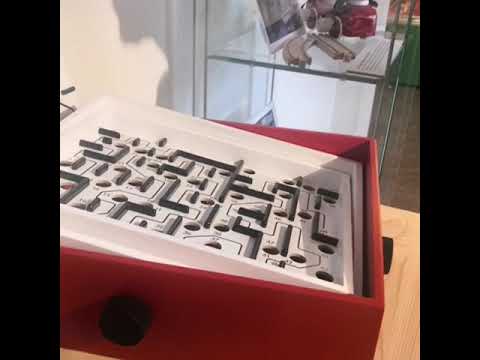 Three verified views of Osby and its BRIO toy heritage
 Christina Holm’s “BRIO Lekoseum” dates from 11 October 2019 and runs 26:22. The uploader describes the toy museum, café, play stations and shop. It offers a longer family-focused introduction; since it predates the 2024 museum move, use it for context rather than today's layout.
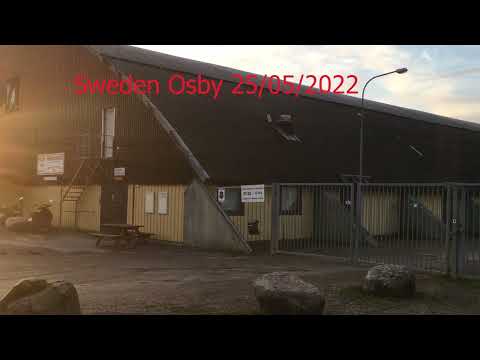 Nedal Fayyad’s multilingual “En runda i Osby i Sverige…” was published 25 May 2022 and runs 10:25. Its description promises a tour of landmarks and places in Osby. It broadens the selection beyond BRIO; confirm practical access details separately.