Mamers is the service and market centre of Maine Saosnois, set between the historic provinces of Maine and Perche in northern Sarthe. The commune had 4,996 residents in the 2023 census and is also a sous-préfecture. That role gives the town a lived-in rhythm: civic services, shops and schools sit alongside a heritage centre that can be explored on foot. Rather than a single postcard view, Mamers offers a sequence of small discoveries—an old church between houses, the grain hall on Place Carnot, and odd details that reveal a town shaped by trade and practical ingenuity.
Reading the town through its streets
Sarthe Tourisme describes Mamers as a former fortified town whose identity grew through commerce, craft and religious institutions. Saint-Nicolas, built in stages between the thirteenth and fifteenth centuries according to the municipality and tourism office, stands above the centre; Notre-Dame preserves Renaissance work and later furnishings. The nineteenth-century grain hall still marks Place Carnot, while the former Visitation convent and cloister reflect the religious life of the town before the Revolution and its later civic uses. Narrow lanes and the old weavers’ quarter make the historic core legible at walking pace.
One local curiosity is a small Eiffel Tower replica erected in 1889. The municipality says it was made to the original plans by a tinsmith who had worked on the Paris project. It is a modest object, but a revealing one: even a rural market town followed the national spectacle of modern engineering. Mamers is also known for Sarthe rillettes; the local confraternity created in 1968 promotes this regional food tradition. These stories work best together, linking food, commerce, craft and the town’s visual landmarks instead of treating them as unrelated trivia.
A practical base for Maine Saosnois
Mamers functions as a small regional hub, with everyday shops and public services close to its central square. The tourism office is at 50 Place Carnot and can help visitors plan walks, countryside excursions and village visits. A 21-stop audio-guided route takes about an hour and a half and gives structure to a first visit. The municipal camping and leisure area add practical options for a longer stay, with paths and outdoor activities in the surrounding countryside. The town’s appeal lies in that balance: a compact historic centre backed by the wider rural landscape of Maine Saosnois.
Getting there from Le Mans or Alençon
Regional coaches provide the clearest public-transport approach. The town lists Aléop line 212 between Mamers and Le Mans and a connection toward Alençon and Nogent-le-Rotrou on route 418. Check the operator’s current timetable, service days and return options before committing to a day trip; school periods and holidays can affect regional services. By car, Mamers sits within reach of both cities and is connected to the wider road network. On arrival, leave time to walk from Place Carnot through the old streets, visit the churches when open, and use the tourism office as a starting point for a larger Maine Saosnois circuit.
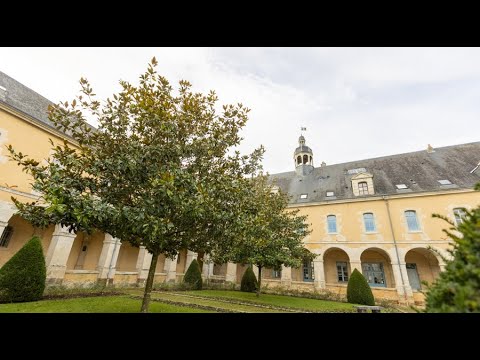 Mamers in three films: town heritage, Notre-Dame and a street-level walk
 This drone-view video is specifically titled for Notre-Dame church in Mamers, giving the set a monument-focused perspective instead of another general town introduction. It can help viewers identify the church as a landmark before arriving; the building’s historic features and access should still be checked with local information.
 Walk Around All The France published this 4K video in September 2026 under a title identifying Mamers as the principal town of the Saosnois. A street-level walk complements the institutional heritage feature and the church-focused view by orienting viewers to the urban setting. Use the municipal guide for historical interpretation.