
Journal · Travel guide
Three Bulgarian fortresses shaped by their landscapes
Rock towers at Belogradchik, river walls in Vidin and a royal hill in Veliko Tarnovo tell three different stories about defence.
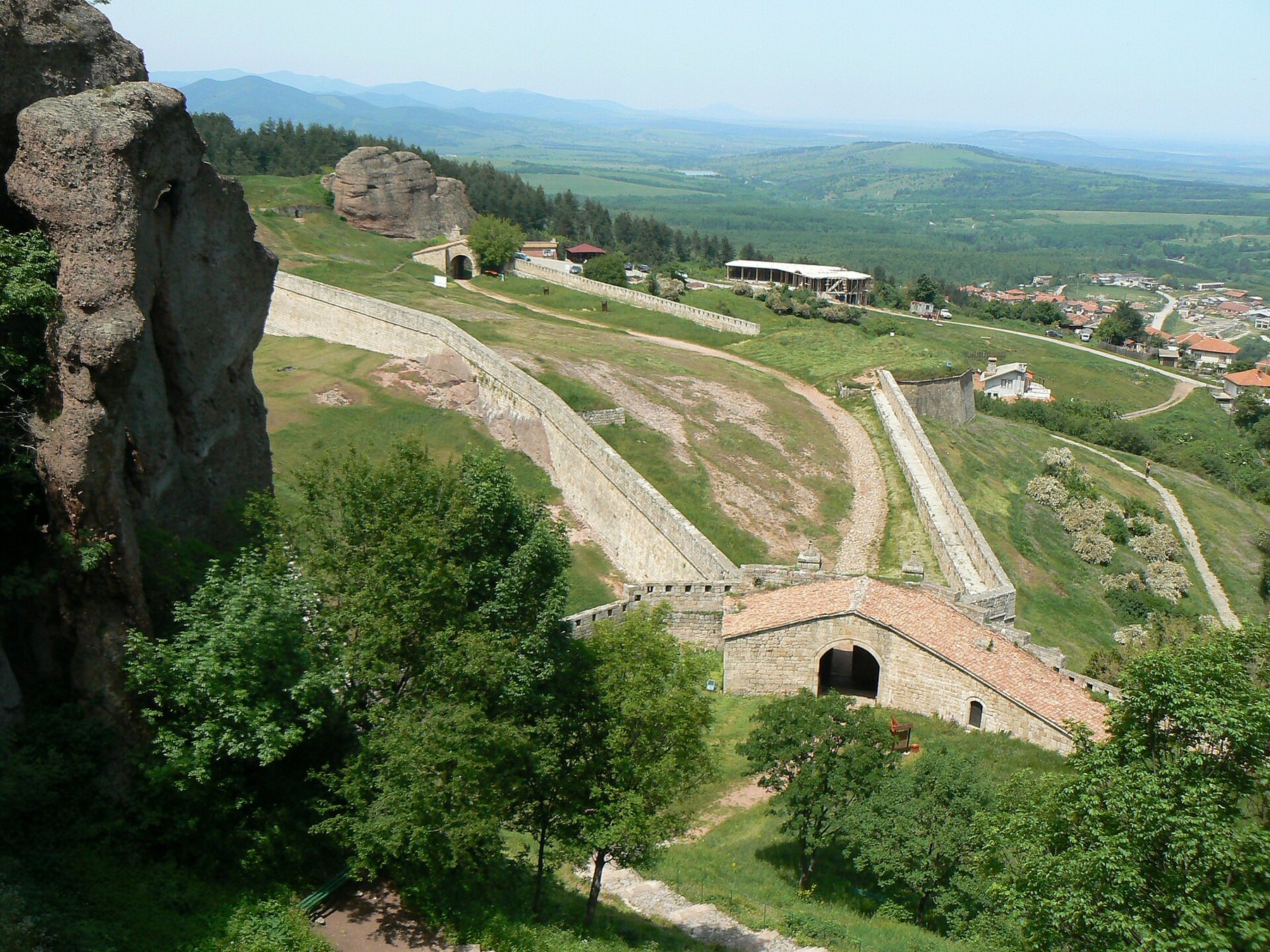
Stand below Belogradchik and it takes a moment to distinguish the built walls from the landscape. That is a good way into the story of Bulgaria’s fortresses. At three of the country’s best-known sites, the terrain tells you almost as much as the masonry.
Belogradchik, where the rock is part of the wall
The fortress uses natural rock towers as part of its defences. From below, look for where the stonework closes the gaps. The Bulgarian Ministry of Tourism describes several phases of construction and use, including a major Ottoman rebuilding. The steep visit is best approached with time to stop along the way.
Baba Vida, on the Danube at Vidin
The next stop in northwestern Bulgaria drops to river level. Baba Vida’s walls and towers offer a contrast to the rock corridors of Belogradchik. Walk by the Danube before entering to see where the fortress sits in relation to both the river and the town.
Tsarevets, the royal hill above Veliko Tarnovo
In Veliko Tarnovo, look for the ridgeline from the old town before crossing to the fortress. Tsarevets was a centre of the Second Bulgarian Empire, with a royal complex inside its walls. The views back toward the city make the hill’s role much easier to understand.
Belogradchik and Vidin can form one northwestern trip. Give Veliko Tarnovo its own stop on a longer itinerary. Before leaving, use the official sites for current access and opening arrangements.
Sources
- Bulgarian Ministry of Tourism · Belogradchik
- Bulgarian Ministry of Tourism · Baba Vida
- Regional Museum of History · Tsarevets