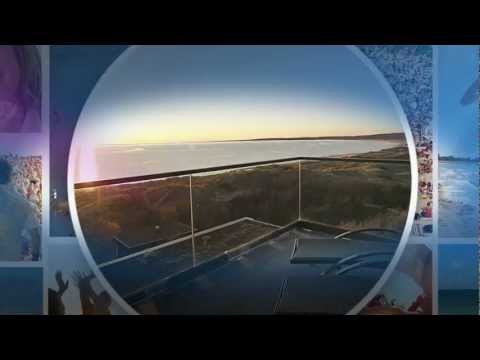
Halmstad is Halland's lively river-and-coast centre, built around the Nissan just inland from the Kattegat. Statistics Sweden counted 72,979 people in the mapped Halmstad tätort on 31 December 2023. That is the statistical urban locality, not the population of the wider municipality, which extends into beaches, farmland and forested inland districts. The river is the simplest way to orient yourself: it runs past the castle and old town before reaching the harbour and sea.
A border city by the Nissan
The Halmstad visitors' route and municipal heritage record trace a layered past. A fortified town developed under Danish rule; Christian IV ordered the castle, completed in 1619, and the city fortress was in place by 1605. Norre Port is the surviving gate from those defences. Halland entered Swedish control after the peace of Brömsebro in 1645 and became Swedish permanently after the peace of Roskilde in 1658. Keep those political dates separate from older local legends and from later city growth.
For centuries, the sheltered Nissan harbour supported trade and crafts. The port was modernized in 1837–1840, and the river then also helped power industry. Textiles and breweries appeared in the 19th century; rail links from 1877 made Halmstad part of a wider network and pulled expansion east of the river. The municipal heritage survey shows how the old centre, the railway-era grid of Östra förstaden and later industrial districts each left a different mark. A walk along the river is therefore also a walk through the city's changing working life.
Read the centre on foot
Start at the castle and follow the Nissan promenade, where sections of the old moat and defensive earthworks survive in the park. The historic centre walk adds Norre Port, Norre Katts park and the Rotundan pavilion, built in 1865, before returning to streets of shops and cafés. The official route is an outdoor orientation, not a promise that castle interiors or every cultural venue are open. Check local hours if you want to enter a building.
From the city, Prins Bertil's Trail makes the landscape change gradually rather than abruptly. The marked coastal path runs about 18 kilometres from Halmstad Castle through rocky shores and Tylösand to Möllegård. Tylösand's broad sandy beach and dunes are a major summer draw; the route continues to quieter coastal and nature areas. Bus stops serve several sections, so a walk can be shortened, but use Hallandstrafiken's current planner to match a stop and departure. Tides, weather, seasonal services and trail access all matter on a coastal route.
A modern regional centre
Halmstad's current economy is wider than its historic harbour and mills. The municipality lists public administration, regional health services, the Armed Forces, logistics, the university, manufacturing and visitor businesses among major employers; it recorded more than 872,000 guest nights in 2025. That mix gives the centre year-round services alongside a strongly seasonal beach trade. Shops, restaurants, parks and the station district make the city a practical base for short outings north or south along the coast.
Halmstad Resecentrum links trains with city and regional buses, and the west-coast setting makes onward coastal journeys straightforward to plan. Confirm train and bus departures, tower and museum access, beach facilities and any seasonal opening before travelling. At Oscarsborg, Tylösand and the trail's coastal sections, weather can change both the experience and available services.