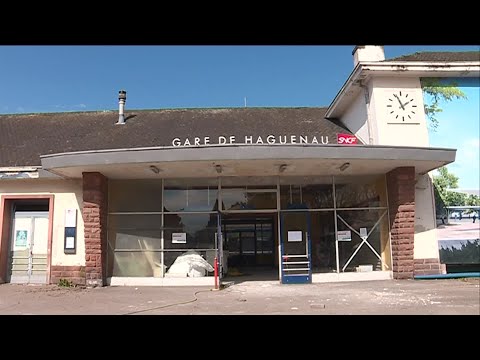
Haguenau is a substantial town north of Strasbourg, but its historic streets and exceptional forest make it work as a slow visit rather than only a commuter stop. Shops, cafés and a railway station sustain everyday life; the museums explain why the surrounding territory mattered long before today’s road network.
Medieval foundation and older ground
The local tourism office dates the foundation of Haguenau to the twelfth century. Its Musée Historique presents the story from the Bronze and Iron Ages through the Gallo-Roman period and the medieval town. Prehistoric finds in the forest do not mean that the present town itself was founded in prehistory. This distinction matters when interpreting Haguenau’s origin. The museum building, erected from 1900 to 1905, is also an architectural landmark in its own right.
Another stop is the Musée Alsacien, focused on regional ways of life, while the Musée du Bagage adds an unusual collection of travel objects. Together they offer different scales of history rather than interchangeable displays. Walking the centre between museums and churches leaves time to see how the town functions today.
Forest routes and practical travel
The forest of Haguenau extends far beyond the urban streets. The tourist office describes ancient burial mounds, remarkable trees, wetlands and marked routes for walking and cycling. Choose a signed circuit and check forestry or hunting notices before entering; the whole forest is not a single park path. The Gros-Chêne area has family facilities and an inn, according to local tourism information.
Haguenau has hotels and restaurants in and near the centre, including listings from the tourist office. Strasbourg is the most useful major-city gateway, with regional rail and road connections onward. From Germany, the upper Rhine corridor provides another practical approach. An overnight stay makes a museum visit and a forest walk possible on separate days, without rushing through either.