Haapajärvi is a small city whose story is spread across a church village, an old railway district and a ring of rural communities in the Kalajoki valley. It is a place to visit slowly: a morning among the wooden buildings of Ronkaala can lead to an afternoon on a forest path or beside the water, while the everyday centre still serves residents, farms and local businesses. Statistics Finland counted 6,441 people in the municipality as a whole on 31 December 2025. That figure includes the surrounding villages and countryside, not just the central settlement.
A rural history with a documented beginning
The earliest named permanent settlers in the parish record appear in 1543. Before that, the church describes the region as a wilderness used by hunters from Häme and Savo. This is an old settlement landscape, but there is no verified basis for calling Haapajärvi a Roman, Greek or Phoenician foundation. Its known history is more revealing when told through farms, waterways, parish life and the later transport links that gathered people around the centre.
Local records differ by a few years on the first church: the parish dates it to about 1653, while the Finnish Heritage Agency gives 1649. Both place it in the middle of the seventeenth century. The present church, a balanced wooden cross-plan building, was completed in 1802 to plans associated with local master builder Matti Pietilä. An extensive redesign in 1880 gave it much of its current character; the bell tower dates from 1812 and the altar painting, “The Transfiguration of Christ,” from 1886. The church remains an active parish space, so visitors should check access and service times rather than assume it functions as a museum.
Ronkaala and the childhood home of a president
A short walk from the church brings visitors to Ronkaala, where the 1784 rectory became the childhood home of Kaarlo Juho Ståhlberg, Finland’s first president. He lived here with his family from 1869 to 1879. The building’s own journey is part of the story: after the family left, it moved into municipal use in the town centre in 1898, then local preservationists brought it back to its original grounds in 1966. It opened as a museum in 1969. Rooms and household objects evoke the life of a nineteenth-century clerical family, not a grand presidential residence. The museum is seasonal; the city’s published 2026 summer dates have passed, so check the next opening period or ask about a group visit.
Ronkaala can anchor a broader regional history day. Haapajärvi is one stop on the officially presented President’s Trail, which connects Ståhlberg’s childhood home with the Kallio museum in nearby Nivala and Urho Kekkonen’s birthplace at Lepikko in Pielavesi. The three places illuminate different stages of Finnish political history and work best as a planned regional outing, with transport between them checked in advance.
Railway streets, local memory and a town that chose tea
The railway reached Haapajärvi in 1925. Around the station, the old station building, water tower, warehouses and railway workers’ houses preserve a different layer of the town’s growth. A municipal walking-tour map links the station district with the local-history museum and explains how railway activity once brought lodging houses, cafés and traders to Asemanperä. Today, the station area is a useful stop for architecture and local history as well as a transport point.
Haapajärvi’s economic life remains connected to its countryside. The city points to the nationally valued cultivated landscape of the Kalajoki valley and describes agriculture and rural life as a strong foundation. Its municipal introduction also lists products made locally, from windows and kitchen furniture to log-splitting machinery and trailers. The centre supplies daily services for the surrounding villages, and the visitor portal lists accommodation, cafés, restaurants and activities. That balance matters: Haapajärvi is a working community first, with tourism woven into its ordinary landscape rather than set apart from it.
One distinctly local touch is its self-chosen identity as Finland’s “tea town.” The city traces the idea to a television advertisement shown in Central Europe and dates its declaration to 22 December 1999. Since then, tea events, a local blend and a collection that the city records as having more than 830 donated pieces by 2020 have made the joke into a small civic tradition. The city says visitors can see the tea-ware collection in the town hall on weekdays; check access around holidays. It is a modern story, deliberately light-hearted, and a welcome counterpoint to the more solemn church and presidential heritage.
Village trails, riverside paths and practical services
Outdoor visits need not be ambitious. The Retkeilevä Haapajärvi project helped six villages create marked paths and nature stops in 2020–2021, with local volunteers doing much of the work. A well-mapped option is the Kumpujen nature trail, a 1.9-kilometre loop reached from the Tiitonranta side or the Siiponkoski river centre. Its woods, river setting and small rises give a close view of the local landscape, but the official description warns that stones and uneven ground can make it slippery or muddy. Wear suitable shoes and check trail notices. Other village routes include Tynnyrikoski, cycling paths and the network around Kuusaa, Koposperä and Kumiseva.
For a simple itinerary, spend the first part of the day on the church and Ronkaala walking route, pause in the centre for lunch, then use the afternoon for a village path or the station district. The town also has a municipal swimming hall, beaches and sports facilities; hours and seasonal access vary. Visitors can find hotels, farm accommodation and village-centre lodging, but should confirm availability directly before travelling.
Haapajärvi lies on highway 27 between the Ylivieska–Nivala corridor and Pyhäjärvi, while the rail line connects toward Ylivieska and Iisalmi when trains are operating. Paakinaho publishes bus services that include a school-day route through Nivala toward Ylivieska; this is not a daily all-year guarantee. VR currently notes that the station has no ticket office, toilets or accessible platform access and that some departures may be replaced by buses. Check live train, replacement-bus and regional-bus information, opening dates and trail conditions before setting out.
 Haapajärvi through the seasons: winter, autumn and summer
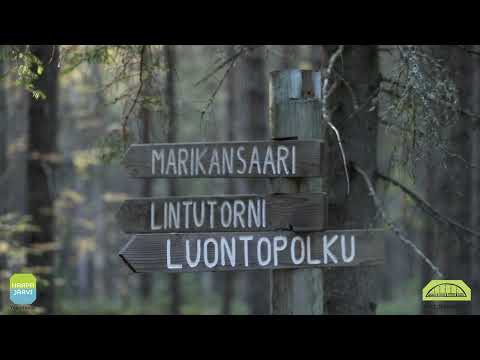 This autumn film shifts the focus from winter recreation to walking scenery. Its official description specifically names the Siiponkoski river centre, Tynnyrikoski and the Pitkänkangas trail-running area as places known to residents and visitors. That makes the video a useful visual companion to Haapajärvi’s network of village paths, while the municipal route descriptions provide the practical detail needed to choose a walk. The film was published in 2021; it cannot confirm present trail maintenance, weather, seasonal access or services at the trailheads. Treat it as an invitation to explore, then check current route information.
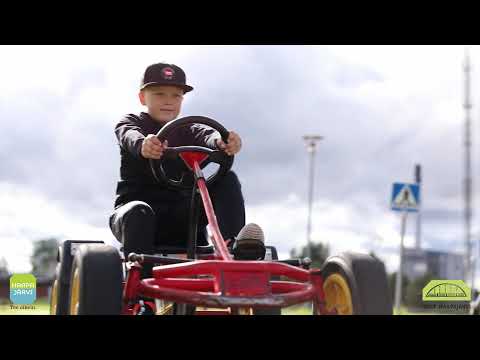 The summer film is the most activity-oriented of the three. Its accompanying description lists the traffic park, mini-golf and disc-golf, the Olkkonen wilderness market and regular activity on the town square, where visitor information was also available when the film was made. This wider mix helps show Haapajärvi as a place for families and community events as well as nature outings. Because the film dates to 2021, none of its references should be used as a promise that a particular attraction, market or information desk is open now. Verify dates and services with the municipality or its visitor portal.