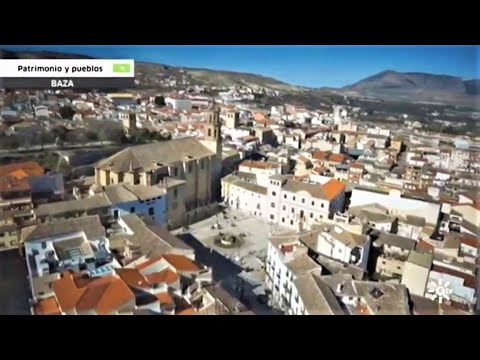
Baza lies in the Granada Altiplano, where a fertile basin and routes towards Murcia made this area important long before the present streets were laid out. The Iberian settlement of Basti and its burial grounds are crucial to that older story. The famous Dama de Baza came from the Cerro Santuario necropolis; a visit to town can explore the context without assuming the original sculpture still stands at the excavation site.
Several cities in one landscape
The municipality describes Basti as an Iberian centre controlling routes between the southeast and inland Andalusia. Later Roman and Islamic periods left other traces. The thirteenth- and fourteenth-century Arab baths at Marzuela survive within the town, and the Andalusian heritage authority has documented their conservation. The layout of parts of the old centre also reflects the Islamic period. Around the main square, the Iglesia Mayor and other buildings represent the changes after the Castilian conquest.
The municipal museum and the interpretation centre for Iberian culture are good places to distinguish an original archaeological object from a replica or reconstruction. The municipality reported an expanded display at the interpretation centre in 2025. Archaeological areas around Basti are outside the compact centre and require separate planning. The Sierra de Baza offers a very different landscape of woodland and mountain routes; check trail access and weather before a countryside excursion.
Staying in the Altiplano
Baza has restaurants, hotels and rural accommodation, including cave houses listed by the municipality. This makes it a possible base rather than only a quick stop. Granada is the largest nearby city reference, while Guadix is a useful regional connection on the route west. Verify current road and bus options for the travel date. In town, give the baths, main square and museums unhurried time; the Iberian sites and mountains belong to a longer stay.