Pälkäne is not one compact town but a lake-and-village municipality in southern Pirkanmaa. Onkkaala, Luopioinen and Aitoo each have a different rhythm, while more than 90 lakes and a network of small settlements spread the visitor's attention across the map. The municipality counted 6,230 residents on 31 December 2024; almost 4,300 leisure homes bring many more people into the area during summer. That seasonal shift is part of Pälkäne's character: quiet agricultural roads and everyday village services coexist with busy waterfronts, holiday houses and a strong outdoor-travel offer.
A landscape made by water and ice
The lakes are the first thing to understand about the place. Mallasvesi, Pälkänevesi and Kukkia are among the municipality's largest waters, and their shores shape settlements, boating and recreation. At Onkkaala, the Kostianvirta channel connects the historic story directly to the landscape. It formed in 1604, when Pälkänevesi broke through a ridge and opened a new outlet toward Mallasvesi. Nearby, the Isolukko kettle hole at Isokangas is nearly 30 metres deep, a reminder of glacial processes rather than a human-made landmark. The municipality also points to the Keiniänranta black-alder swamp by Mallasvesi, which it describes as Finland's largest continuous stand of its kind.
For walking, Laipanmaa offers about 30 kilometres of marked trails across a broad forest area shared with Kangasala. Around Luopioinen, Rajalansaari makes a smaller half-day outing: visitors cross the strait on a hand-pulled ferry and follow a marked path of about 2.5 kilometres through leafy and rocky terrain on Kukkia. The Pakanranta shore path is an easier option beside Mallasvesi; its first 700 metres are accessible and lead to a viewing platform, with a short landscape loop continuing beyond. Facilities and access can change by season, so check local guidance before setting out.
History that can still be read in the terrain
The municipality's history traces human activity in the area back thousands of years, with hunting around 9,000 years ago and farming spreading about 4,200 years ago. These broad archaeological time markers describe a long human presence, not a neat founding date. The present municipality is also relatively recent: Pälkäne and Luopioinen merged in 2007, while their predecessor municipalities were established in 1866 and 1868.
The Kostianvirta has a documented place in national history. A battle was fought here in 1713 during the Great Northern War, when Russian forces crossed the channel and defeated the Swedish-Finnish defence. The war and the occupation that followed are a stark counterpoint to today's calm shore paths. Another local story is tied to print rather than battle: in 1719, printer Daniel Medelplan, who had fled Viipuri, carved wooden printing blocks for the Gezelius primer while in Pälkäne. It is a precise episode in the history of literacy, not a claim that the book or Finnish writing began here.
Above the old settlement stands St Michael's Church, known as the Pälkäne Ruin Church. It was probably completed between 1495 and 1505 and was abandoned after the new church opened in 1839. Its roof collapsed in a storm in 1890. Today the preservation association is undertaking a glass-roof project begun in autumn 2025; the site is currently a construction area with public access prohibited. The church remains an important reason to understand Pälkäne, but visitors must check the association's latest notice instead of assuming the ruins can be entered.
Three centres, several ways to spend a day
Onkkaala is the municipal centre, with the old church landscape and access to Mallasvesi. Luopioinen looks toward Kukkia and is a good starting point for Rajalansaari and its lakeside routes. Aitoo brings a different mix: the annual Aitoo Kirkastusjuhlat is a major summer music gathering, and the village has a long textile-printing tradition as well as century-old educational institutions. In the wider municipality, farming remains important, while a 2025 land-use review also identifies public administration, retail, agriculture and forestry, and manufacturing among notable employment sectors. The municipality's visitor portal helps locate local food, small businesses and events; confirm opening dates because many operate seasonally.
Sappee is the municipality's principal tourism-services area. The resort operates as a winter ski and snowboard destination and offers downhill biking and an adventure park in summer, with accommodation and caravan facilities in the wider resort zone. This makes Pälkäne useful for visitors who want more than a short landscape stop, but it also means choosing a base: the villages, Sappee and lakeside trails are spread out and are not a single walkable circuit.
How to arrive and get around
The simplest approach is by road from Tampere or Hämeenlinna; the official visitor site estimates around 30 minutes by car from either city, although traffic and destination within the municipality affect the trip. Highway 12 and regional routes 57, 307 and 322 connect the centres and surrounding villages. Public buses serve Tampere and Valkeakoski, with local and demand-responsive service buses covering village routes. Some local rides require booking in advance, and rural services do not run at uniform intervals. Check the municipality's transport page and the current operator timetable before travelling, especially if visiting Luopioinen, Aitoo, Rajalansaari or Sappee without a car.
 Pälkäne videolla: järvimaisemat, Sappee ja kylien historia
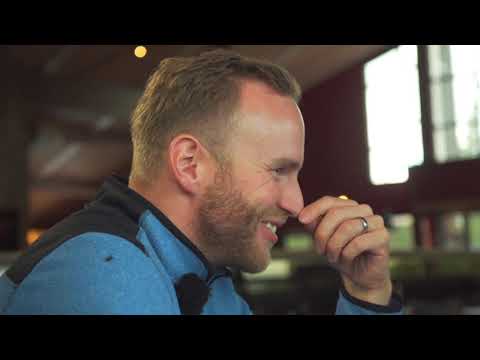 This brief clip comes from the Municipality of Pälkäne and focuses on Sappee, the area the municipality identifies as its principal tourism-services centre. The description introduces the resort through Kosti Puurunen. The film is from 2019, before the current range of seasonal offers may have changed, so it is best read as a local introduction rather than a current activity schedule. For a visit, confirm which ski, cycling, adventure-park and accommodation services are operating on your dates.
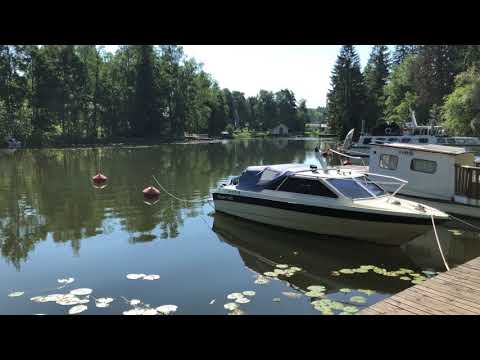 This 45-second recording is titled around boats travelling along the Pälkäne village canal toward Lake Mallasvesi, with the uploader also identifying a pier and rows of boat docks. It gives the lake system a human scale: these waters are routes and meeting places as well as scenery. Published in 2018, the short film is a visual note about boating in the area, not a source for present-day marina services, navigation conditions or public access rules.