A town built around the Loue
Ornans is not simply a pretty riverside stop in eastern France. It is a small town whose shape, work and cultural memory grew beside the Loue, a clear river that threads through the Doubs and the limestone valley of Franche-Comté. Old houses appear to lean over the water, bridges connect its banks, and cliffs and wooded slopes close around the settlement. “Little Comtois Venice” is a local nickname, but the stronger story is how the river supported workshops, industry, daily movement and, later, the landscapes painted by Gustave Courbet.
INSEE counted 4,419 residents in the whole commune in 2023; this reference population became effective on 1 January 2026. The number includes the commune nouvelle formed in 2016 by the union of Ornans and Bonnevaux-le-Prieuré, so it does not describe the old centre alone. Ornans remains a local service and employment centre as well as a destination for art and outdoor activities.
From water-powered workshops to modern industry
The municipality’s historical account traces mills and sawmills along the Loue to at least the fourteenth century. Tanneries and small paper mills followed, then metalworking expanded through nail-making, wire drawing and forges. In 1821, local inventor Etienne Joseph Pouguet registered a “hanging mill” mechanism intended to keep a mill working as the river level changed. The Loue was not decorative scenery: it was infrastructure, power source and economic constraint.
That relationship did not end with the old workshops. The town records the arrival of the Swiss Oerlikon company in the 1920s to make electric motors for railway use; the site is now Alstom’s traction-motor centre of excellence. INSEE counted 2,527 jobs located in the commune in 2023. At the end of 2024, 175 employer establishments operated there: 60.0% were in commerce, transport and services, 17.1% in public administration, education, health and social action, 10.9% in construction and 6.9% in industry. These figures give a more balanced picture than the tourist image alone.
Courbet’s home ground
Gustave Courbet was born in Ornans in 1819 and repeatedly returned to its people, river and surroundings as subjects. His realism made the provincial world a serious subject for monumental painting. “A Burial at Ornans,” painted in 1849–50, turned a local funeral into a large-scale composition; other works focused on the Loue and nearby landscapes. The Courbet Museum opened as a pre-museum in the town hall in 1947. Today it places the painter’s work in the landscape and social world that formed it.
A second visit adds the Courbet Atelier. In 1860 the artist bought a former foundry at the edge of town, adapted it as a spacious studio with a broad north-facing glass roof and worked there until leaving France for Switzerland in 1873. The restored atelier is a separate visitor site, so check its seasonal opening calendar rather than assuming the museum and studio keep the same hours. Nearby, the Source de la Loue makes a rewarding half-day extension. Courbet painted more than ten versions of the spring in 1863–64; the natural site has been protected since 1930, and the Maison de la Source offers a summer visitor presentation. It is outside Ornans, so plan onward transport.
Walking the valley and planning a visit
The town and its surroundings suit a slower visit: follow paths beside the river, look for old bridges and façades from the banks, then choose a marked walk, mountain-bike route or water activity according to conditions. The valley’s cliffs and wooded slopes make the landscape part of the experience, but river levels, weather and local safety notices matter; check with the local tourist office before planning canoeing or fishing. Shops, cafés and visitor services are concentrated in town, while the wider Loue Lison area offers additional cultural and outdoor stops.
Ornans has no railway station. The practical public-transport approach is to take a train to Besançon and continue by Mobigo coach line 204, which runs between Besançon and Pontarlier via Ornans; services, stops and roadworks can change. A car offers more flexibility for the Loue spring and smaller valley villages. Check current train and coach times, museum opening days and outdoor access before travelling. A useful first itinerary is the old riverfront and Courbet Museum, followed by the atelier if open; reserve the spring and longer valley walks for a second day.
 Ornans on screen: Courbet, the Loue and local heritage
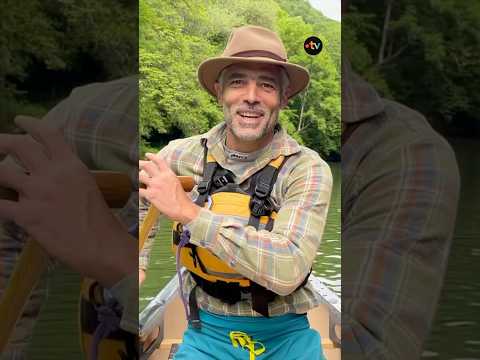 The second report turns from art to the Loue, showing an outdoor canoe outing around Ornans. It helps viewers picture the river as a place of recreation as well as the force that historically shaped the town’s workshops. Water levels, weather and permitted activities change; check current advice and local rules before entering the river.
 A video titled “Correspondance de Courbet,” published by the local Pays d’Ornans-Patrimoine channel, offers another cultural angle on the artist’s connection to the town. It complements the museum and river footage by directing attention to Courbet’s legacy and local heritage interpretation. The title alone does not establish every detail of the presentation, so visitors should use the museum and heritage association for further context.